
the journal at liz walton home
Where Storytelling Meets Design

Our collection of articles share insights into crafting bespoke, richly layered interiors that reflect the individual journeys of our clients. From timeless design inspiration to behind-the-scenes looks at our creative process, each post is curated to bring you closer to the heart of our work. Join us as we explore the art of creating elegant, personal spaces that truly feel like home.

Our Recent Journals
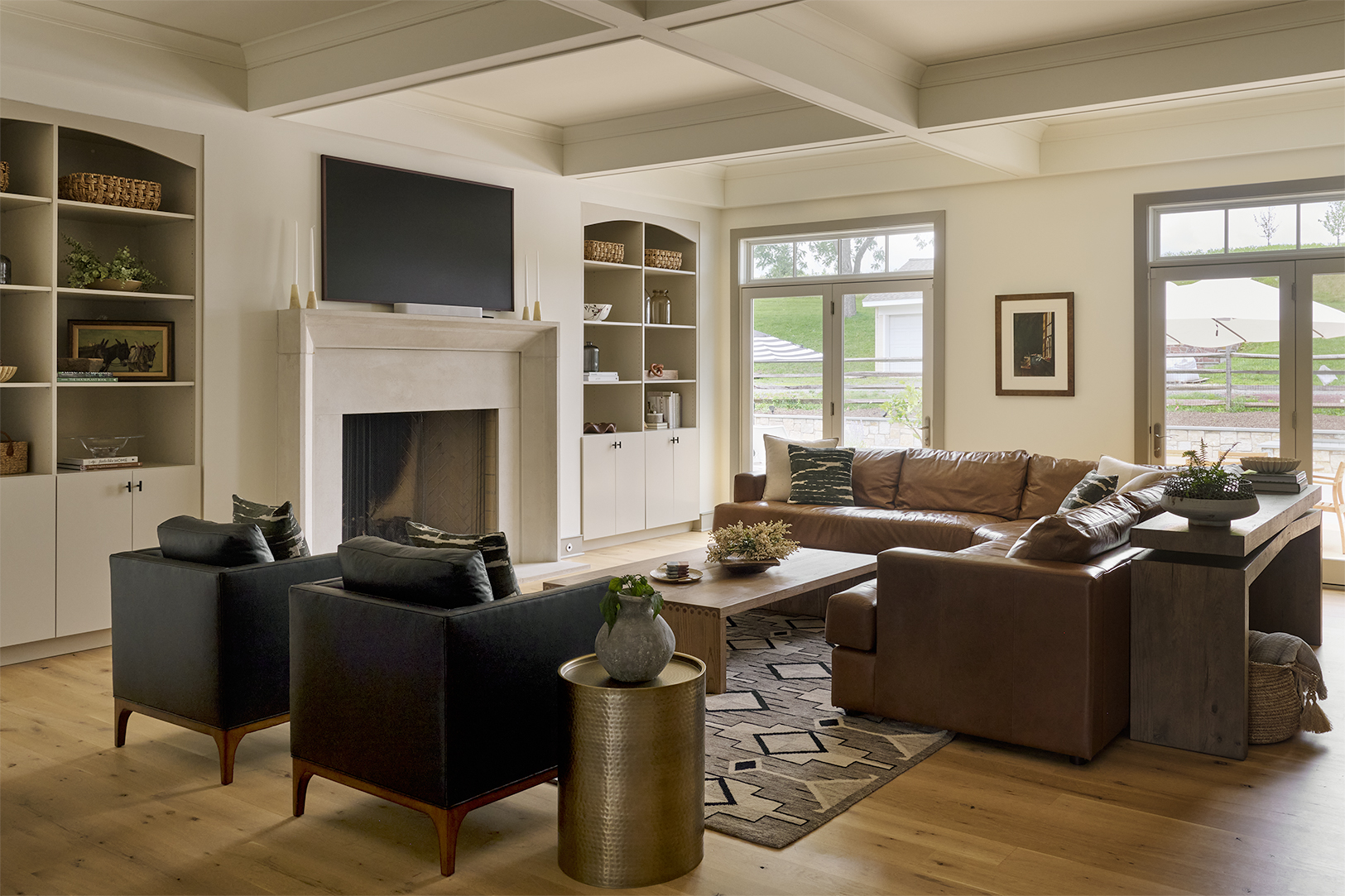
The ultimate luxury isn’t a perfect house. It’s a house that makes everyday life easier.
When we talk about designing a beautiful home, it’s easy to focus on the things we can see: the kitchen, the stone, the lighting, the furniture, the art.
But some of the most important decisions we make as designers are the ones you may never notice in a photograph.
Where do you put down the groceries when you walk in the door? Where do the kids drop their backpacks? Where does the dog eat? Where do you charge your phone? Where does the vacuum live? Can you turn off the lights downstairs without walking through six different rooms?
These seem like small things. Live with them every single day, though, and suddenly they’re not so small. To me, the ultimate luxury isn’t having a perfect house. It’s having a house that makes your life easier.
And that starts long before we choose the pretty things.
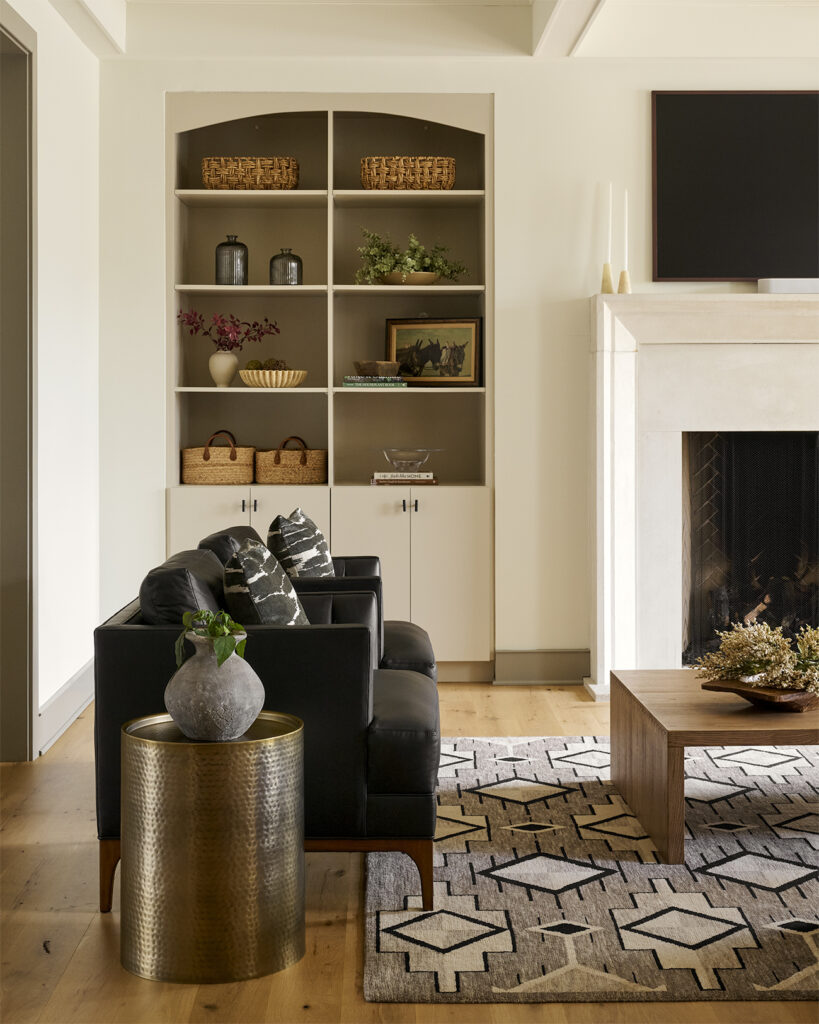
Start With How the House Feels
Let’s start with something decidedly unglamorous: insulation.
Have you ever stayed in a house where you could hear absolutely everything happening in the room next door? Where one bedroom is freezing while another is hot? Or where someone closes a door upstairs and it feels like the entire house shakes?
That’s not something a beautiful sofa is going to fix.
When we’re building or undertaking a major renovation, I want to think about comfort from the inside out. Proper insulation doesn’t just help with temperature control and energy efficiency; insulation strategies can also play an important role in controlling sound between spaces.
Think beyond exterior walls, too. Bedrooms, bathrooms, laundry rooms, mechanical spaces, media rooms and home offices are all places where controlling sound can dramatically change the experience of living in a home.
You may never see the money you put behind those walls. But you will experience the benefit of it every single day.
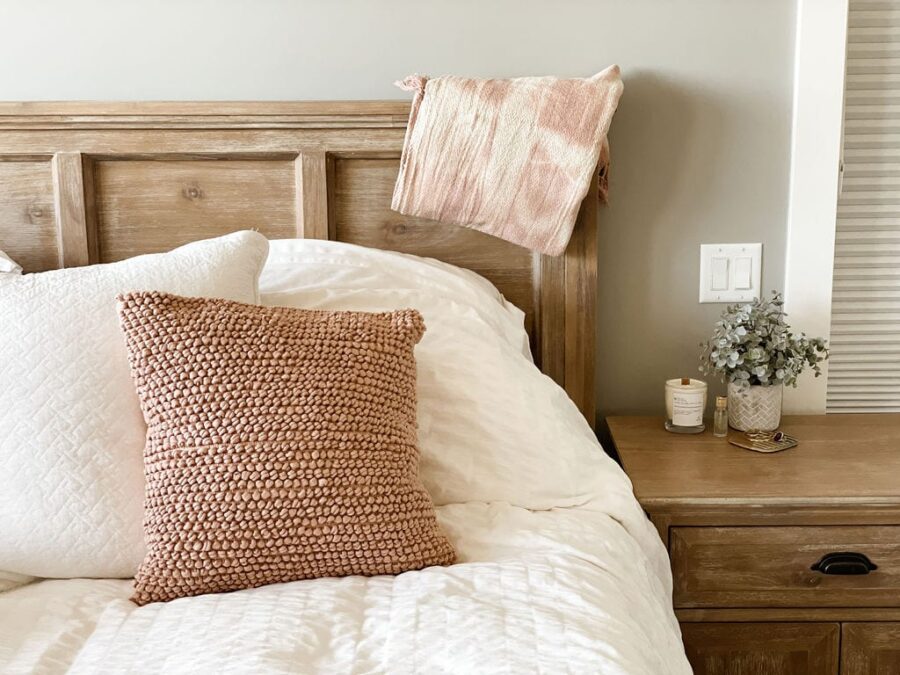
You Shouldn’t Have to Hunt for a Light Switch
One of the complaints I hear surprisingly often from homeowners is:
“I can never find the right light switch.”
You walk into a room. There are five switches on the wall. You flip one. Nothing. Another. Still nothing. The third turns on a light somewhere behind you.
That’s a design problem.
Electrical planning deserves far more attention than it typically gets. Before finalizing an electrical plan, we think through how someone will actually move through the house.
Where do you naturally reach when you enter a room? Which lights should be controlled together? Do you need to control a hallway or staircase from both ends? Where do you want to turn everything off at night?
And then there are outlets.
Furniture placement should inform electrical placement—not the other way around. Think about bedside tables, floor lamps, desks, kitchen appliances, holiday decorations, cordless vacuums, hair tools and all of the devices your family charges every day.
The goal isn’t more switches and outlets. It’s putting the right ones in the right places.
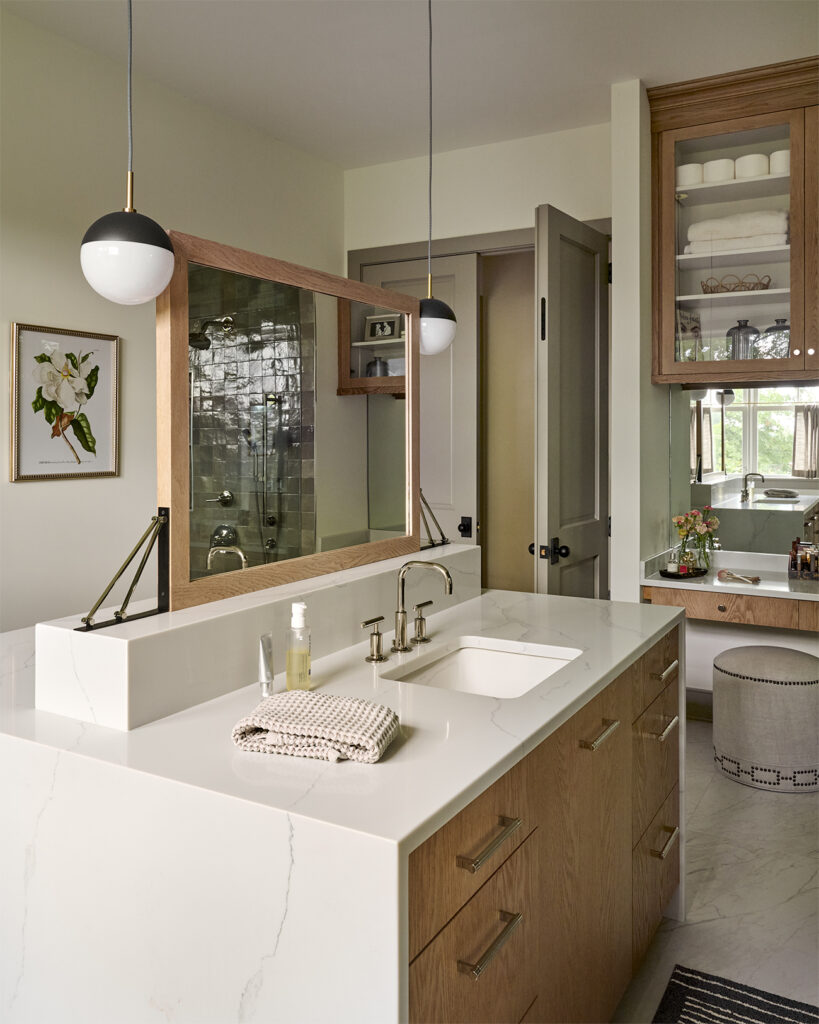
Technology Should Make Your Life Easier—Otherwise, I Don’t Want It
I am not someone who wants technology in a house simply because we can have it.
If anything, unnecessary technology can make a home more complicated.
But when technology removes steps from your day? I’m interested.
Lighting control is a perfect example. Systems such as Lutron can allow thoughtfully planned groups of lights to work together, create useful lighting scenes and give you centralized control rather than requiring you to walk around turning individual lights on and off.
Think about how you move through the house. Can you illuminate the path from the bedroom to the kitchen early in the morning without turning on every recessed light along the way? Can you make the kitchen functional at night without making it feel like an operating room?
Imagine leaving the house and having one control that turns off the appropriate lights rather than wondering what someone left on upstairs.
Or pressing one button at night and transitioning the main living spaces into a softer evening setting. Speakers seamlessly integrated into your walls for the ultimate listening experience (sports never sounded so good!).
That’s technology I can get behind.
The important part is that the technology supports the way you live. It shouldn’t become another thing you have to figure out.
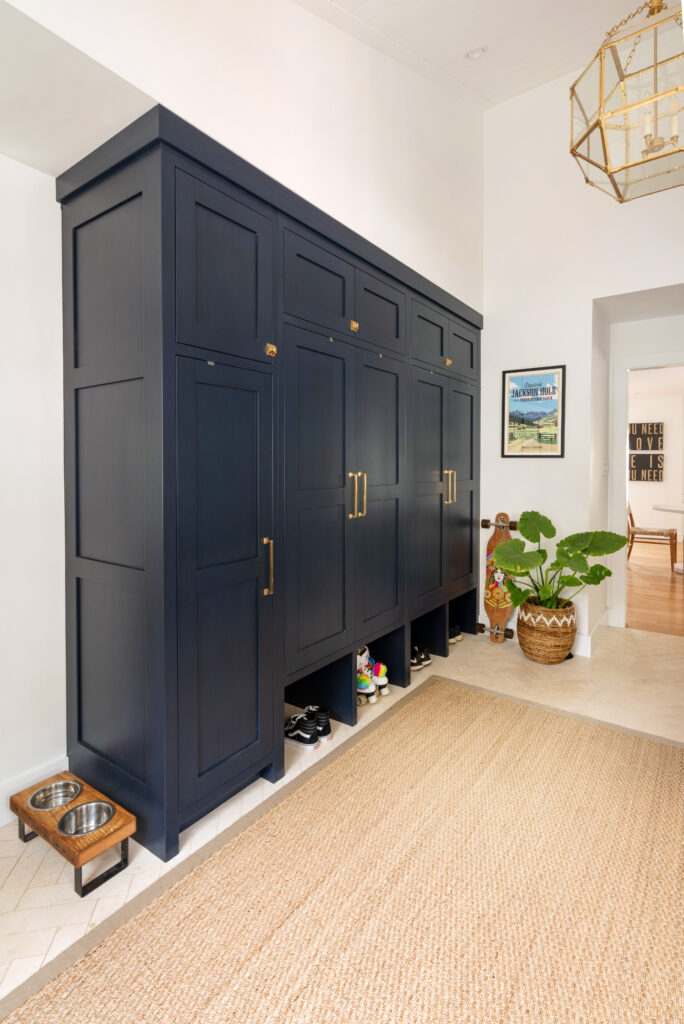
Open Storage Isn’t Always Easier
Mudrooms are a great example of something that can look fantastic on a drawing and function very differently in real life.
Open cubbies! Hooks! Shelves! A spot for everything!
Until everyone comes home.
Now there are five pairs of shoes on the floor, backpacks hanging half-open, sports equipment sticking out of baskets and coats piled on top of one another.
Open storage can be wonderfully convenient, but it also means you’re looking at everything—all the time.
For many of our clients, closed storage actually makes life easier.
Give the backpacks a cabinet. Give the shoes a drawer. Give sports equipment a home. Give the dog supplies their own spot.
You can still incorporate an accessible hook or landing area for the things you use constantly, but the goal is to make tidying up almost effortless.
A beautiful mudroom that requires everyone to style their belongings every time they walk through the door isn’t particularly functional.
If you’re building a new home or undertaking a major renovation, this is your opportunity to stop solving the same storage problems you’ve had for years.
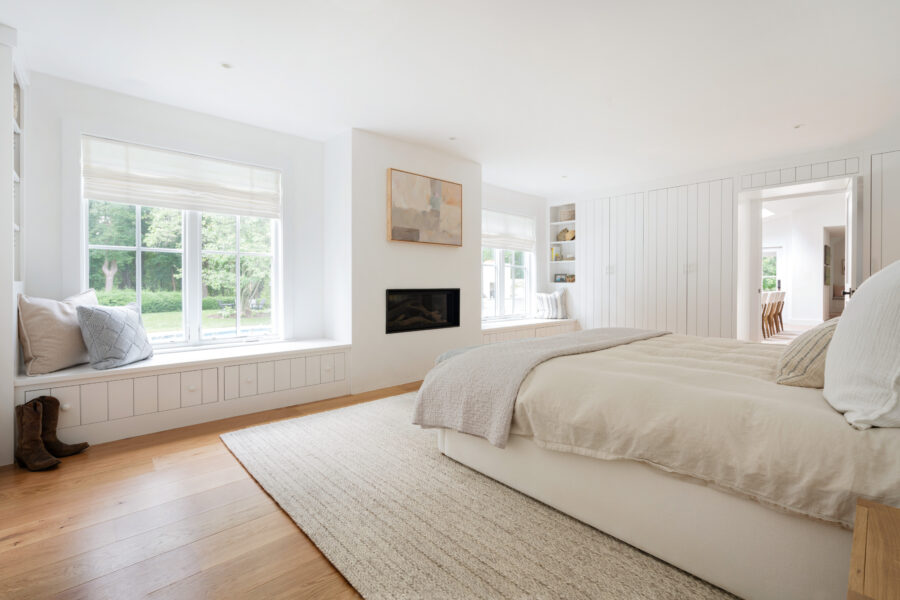
A Bedroom Should Help You Sleep
This one is huge for me: room-darkening window treatments in bedrooms.
It’s something we’re asked for on nearly every project—and for good reason.
Yes, custom window treatments are an investment. But so is sleeping well.
And if you have a baby or toddler who isn’t sleeping because their room is filled with daylight at 5:30 in the morning—or at 7:30 at night in the summer—the whole house feels it.
When we’re designing bedrooms, we think about the window treatments as part of the function of the room, not simply decoration. That can mean incorporating room-darkening lining into drapery or shades, considering light gaps and coverage, and planning the treatment early enough that it feels integrated into the architecture rather than added as an afterthought.
This is also one of those places where beauty and practicality don’t have to compete. A bedroom can have beautiful fabric, gorgeous hardware and thoughtfully designed window treatments while still doing the very important job of controlling light.
Because a bedroom’s primary purpose isn’t to photograph beautifully.
It’s to help you rest.
And anything that consistently makes it easier for everyone in the house to get a good night’s sleep earns its place in my definition of luxury.
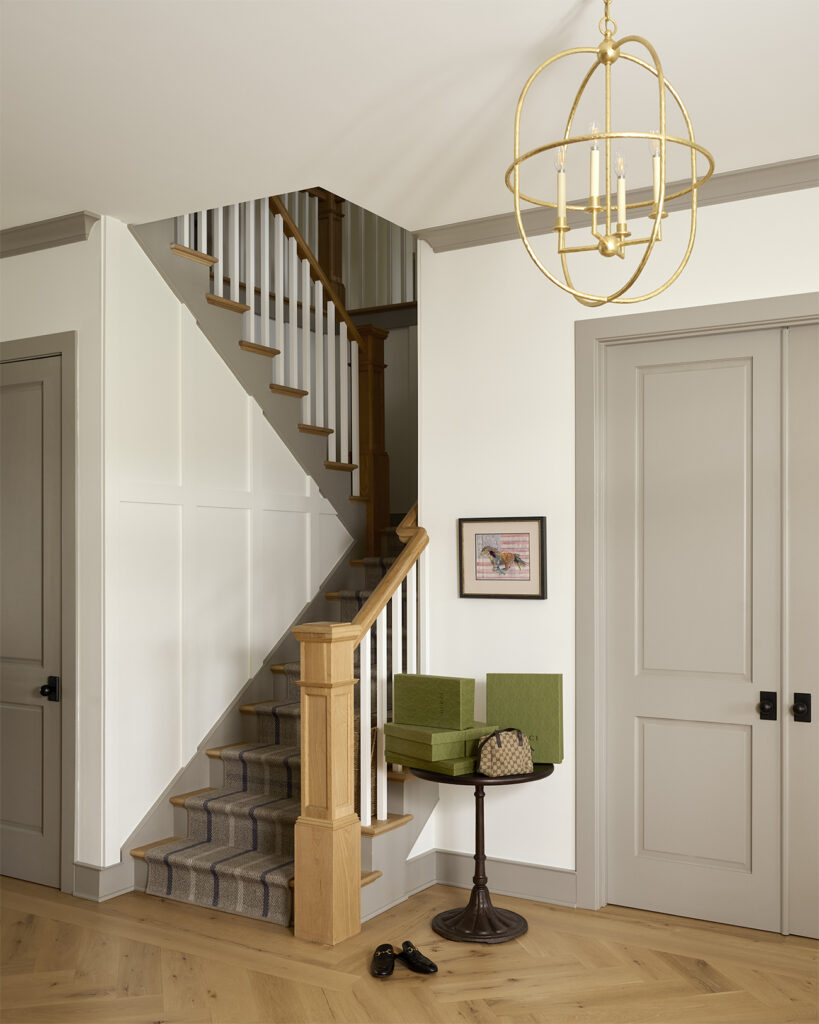
Design for the Ordinary Tuesday
When we’re designing a home, of course we’re thinking about Thanksgiving dinner, holiday parties and overnight guests.
But I’m equally interested in a random Tuesday in February.
Someone walks in carrying groceries. A child drops a backpack.The dog comes in with muddy paws. Someone needs to charge an iPad. Dinner needs to be made. Laundry is running. Someone else is trying to work.
And at the end of the night, everyone wants to turn off the lights and go to bed.
That’s the life we’re designing for.
The beautiful materials, custom furnishings and special details absolutely matter. They’re what give a home character and make it feel personal.
But underneath all of that needs to be a house that works.
Because when everything has a place, the lighting works intuitively, the house feels comfortable and the technology quietly does what it’s supposed to do, you stop thinking about the house quite so much.
You simply get to live in it.
And to me, that’s luxury.
continue reading
As an interior designer, I spend my days helping clients decide where to invest in their homes. And when you work in luxury interior design, there is a common misconception that creating a beautiful home means everything in it needs to be expensive.
It doesn’t.
In fact, there are several things I personally would never spend a significant amount of money on in my own home.
But before we get into that, I need to make one thing very clear:
I am not a bargain shopper when it comes to design.
If something is important to the overall vision of a room, I will spend the money. If the right rug, sofa, stone, piece of art, or custom detail is expensive, but it is what makes the room work, I believe it is worth the investment.
What I will not do is buy something I don’t really love simply to finish a room.
I would rather have an empty wall, an unfinished corner, or a missing piece of furniture for a year than buy something I know isn’t right just because I can have it now.
There is a difference between saving money and settling.
I am perfectly happy to do the first. I refuse to do the second.
That distinction is at the heart of how we approach luxury interior design at Liz Walton Home. A beautiful home isn’t created by spending the maximum amount possible on every single item. It’s created by understanding which elements deserve the investment and which simply need to play their part beautifully.
So, where would I save?
1. Picture Frames
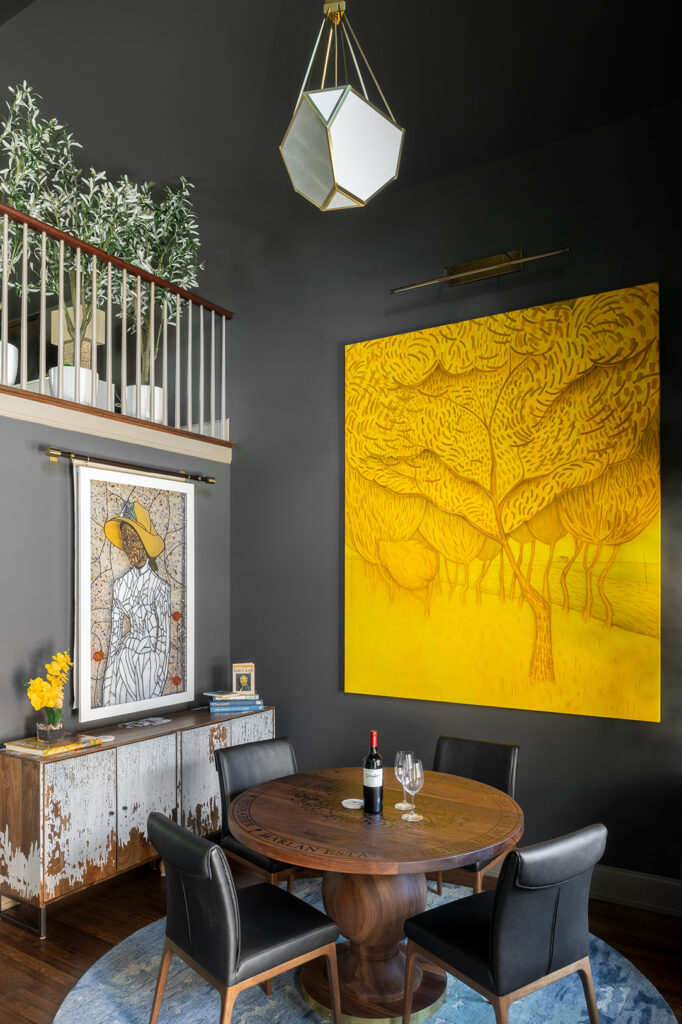
I love beautiful art. I do not believe every piece of art needs an extraordinarily expensive frame.
In fact, I often prefer antique and vintage frames.
An old frame brings something to a room that a brand-new, perfectly polished frame sometimes can’t: character. A little patina, an unusual profile, worn gilding, or evidence of age can make even a simple piece of art feel more collected.
And “collected” is an important word.
The most interesting homes rarely look as though every object arrived on the same delivery truck. They evolve. They contain things from different periods and places. They tell you something about the people who live there.
Antique frames are wonderful for creating that feeling without requiring a significant investment.
This is also one of my favorite ways to elevate children’s artwork, old family photographs, small paintings, sketches, or other pieces that have sentimental meaning. Sometimes the juxtaposition of something humble inside a beautiful old frame is far more interesting than an expensive new frame made specifically for it.
2. Accessories
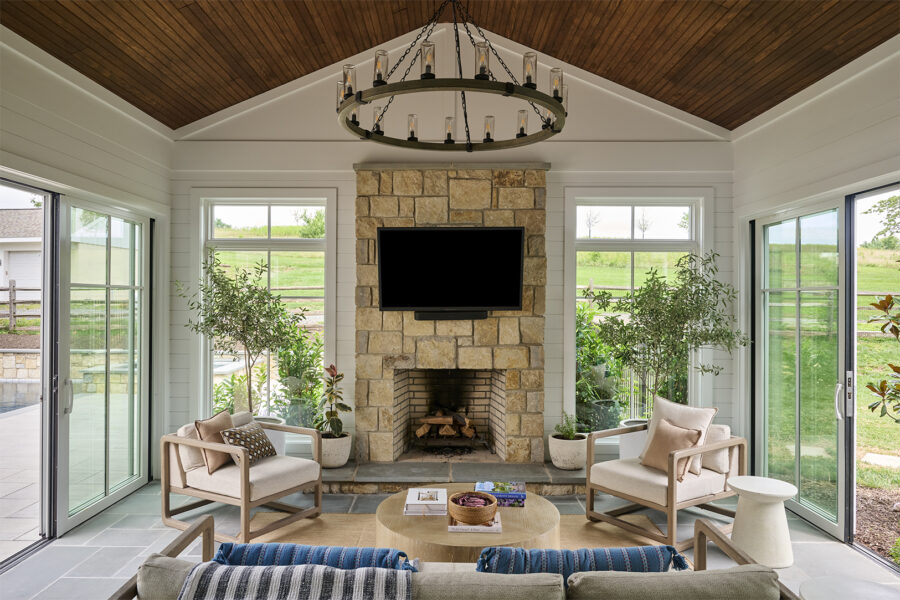
Accessories are another area where I don’t believe you need to spend a fortune to create a beautiful home.
Books, bowls, boxes, trays, candlesticks, pottery, small sculptures and found objects can come from almost anywhere. There are wonderful resources for interesting accessories at nearly every price point.
More importantly, some of the best accessories aren’t purchased at all.
I love incorporating family treasures into our projects. A collection inherited from a grandparent, something brought home from a favorite trip, an old silver piece, a stack of books someone actually reads, or an object that has been sitting in a family cabinet for years can give a room far more personality than an expensive accessory purchased simply to fill a shelf.
This is where luxury and personality intersect.
A home should not look accessorized. It should look lived in.
The goal isn’t to fill every surface. The goal is to layer in objects that add texture, history, color, scale, or meaning.
If we find a $75 object that does exactly that, I have no desire to replace it with a $750 version simply because it costs more.
3. Lamps That Cost Thousands Just Because They Can
This one needs a caveat because, as with everything in design, context matters.
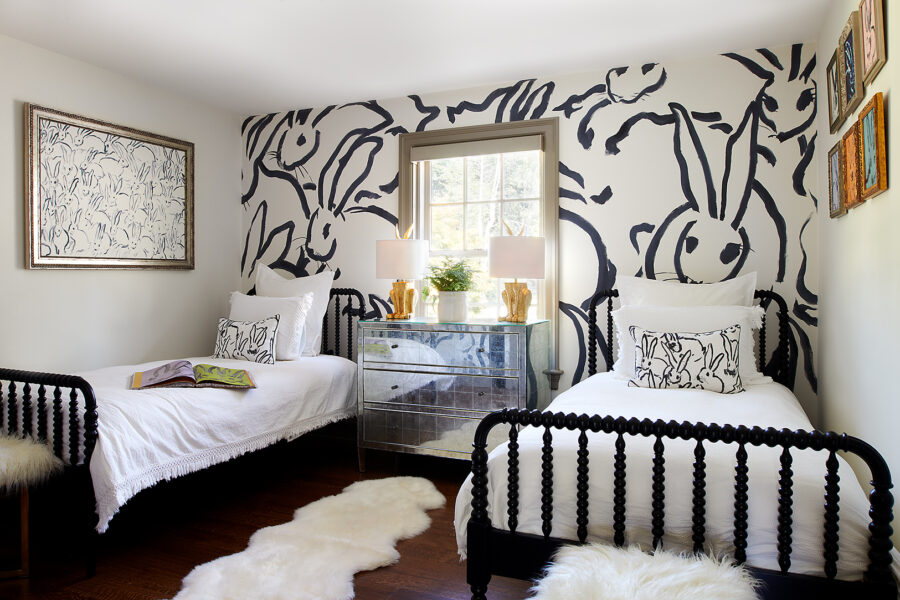
I love lamps. Lighting is incredibly important to the way a room feels, and I will absolutely invest in beautiful lighting when it is integral to the design.
But do I believe every table lamp needs to cost several thousand dollars?
No.
There are excellent lamps in the $500 to $700 range, and sometimes less, that can beautifully complete a room.
The important question isn’t, How expensive is this lamp?
It is, What does this lamp need to accomplish?
Does it provide the right height? The right scale? Does the shade cast beautiful light? Does the material balance the other finishes in the room? Does the silhouette add something we need?
Every item in a well-designed room is part of a larger composition.
If a $600 lamp fills the exact visual and functional gap we need, it is the right lamp. I don’t need it to cost $3,000 to make the room feel luxurious.
And if the $3,000 lamp is truly extraordinary and happens to be the piece that makes the room? Well, you already know my philosophy.
4. Unnecessary Smart-Home Technology
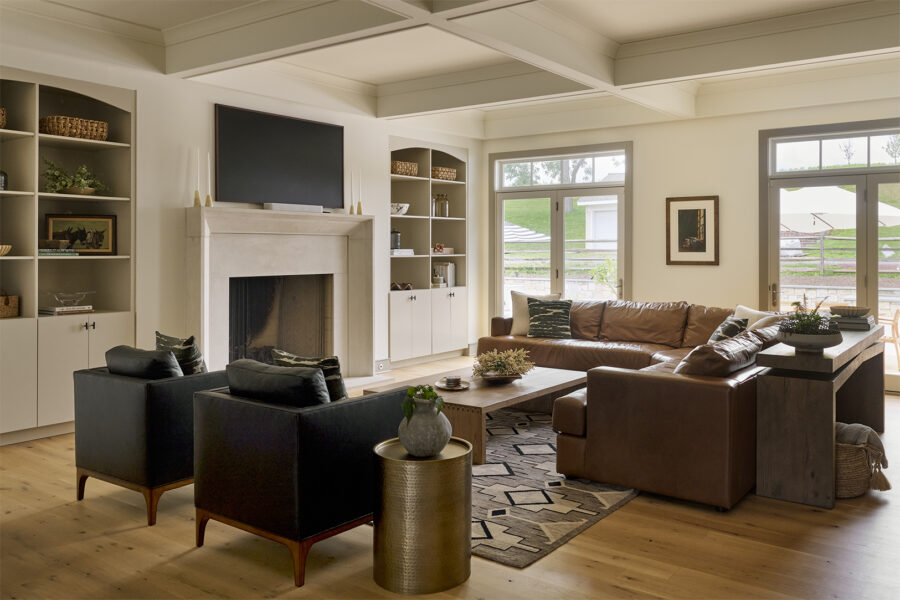
This may be an unpopular opinion, but I am a fairly low-tech person.
And when it comes to my home, I actually prefer it that way.
I don’t need everything in my house connected to my phone. I don’t need an app for every appliance. And I don’t need every function automated simply because it can be automated.
There are certainly technologies that meaningfully improve the way a home functions, particularly when they simplify lighting, security, temperature control, audio, or other systems that matter to a homeowner.
But technology should solve a problem, not create another layer of complexity.
I tend to favor things that are intuitive, tactile and easy to use. A beautiful switch. A lamp you simply turn on. A shade you can operate without searching for your phone. An appliance that does its job exceptionally well without requiring a software update.
There is also something very aligned with our design philosophy in that simplicity.
At Liz Walton Home, we design homes to feel timeless, comfortable and effortless. Technology changes incredibly quickly. A beautifully detailed room, quality cabinetry, natural stone, well-made furniture and original art can endure for decades.
Technology often cannot.
I would much rather invest in the elements that make a home feel wonderful every single day than spend heavily incorporating technology simply for the novelty of having it.
Sometimes luxury is actually less complication, not more.
5. A Designer Name Just for the Name
I love beautiful things. I love craftsmanship. I love heritage brands, artisan-made pieces and objects with exceptional provenance.
But I will not spend more on something simply because of the name attached to it.
There is an important distinction.
If a designer piece has extraordinary craftsmanship, proportion, material, history or artistry that makes it perfect for the room, that’s different. Those are qualities worth paying for.
But the label itself isn’t what makes something beautiful.
The same applies to trends. I don’t believe in spending significant amounts of money on something because it happens to be the “it” piece everyone is using right now.
Our work is far more personal than that.
I want to walk into a client’s home and immediately feel them, not recognize a catalog of the most expensive things currently circulating on social media.
True luxury isn’t about proving what you spent.
It is about discernment.
Where Should You Spend Your Interior Design Budget?
This is the question I think matters more.
When deciding where to save and where to splurge in interior design, I prioritize the pieces that have the greatest impact on the way a home looks, feels and functions.
Permanent architectural materials deserve careful consideration. Cabinetry, countertops, tile, millwork and flooring are expensive and disruptive to replace. Quality matters.
I believe in investing in important furniture pieces that need to perform for years. I believe in beautiful rugs and textiles when they transform a room. And increasingly, I believe deeply in investing in original art.
But even those decisions aren’t governed by a formula.
The investment has to serve the vision.
That’s the difference between simply buying expensive things and designing a luxury home.
The Best Luxury Homes Aren’t Defined by a Price Tag
Some of my favorite rooms combine custom furniture with antiques, original art with family treasures, exquisite textiles with an accessory we found for next to nothing.
That tension is what makes a home interesting.
If everything is precious, nothing feels particularly special.
I don’t believe your home needs to announce how much money you spent on it. I believe it should reveal who you are.
And that requires knowing when to invest, when to save, when to repurpose something you already own, and perhaps most importantly, when to wait.
I tell clients all the time that we are creating their home, not simply completing a shopping list.
There is no prize for finishing a room quickly.
If the right piece isn’t available yet, wait.
If the piece you truly love isn’t in the budget yet, wait.
If you are considering buying something you don’t really like because you’re tired of looking at the empty space, please wait.
I’d rather live with less and love what I eventually bring into my home than spend money twice because I settled the first time.
That, to me, is one of the greatest luxuries of all: having the confidence to wait for what is right.
Continue Reading
Luxury interior design isn’t defined by the price tag. It’s defined by how a home makes you feel.
Spend enough time touring luxury homes, and you’ll begin to notice something surprising.
The square footage is impressive. The marble is imported. The appliances are the latest and greatest. Every finish is beautiful, every detail meticulously installed.
And yet…
Many of these homes feel remarkably alike.
As a luxury interior designer, I’ve walked through countless high-end homes with every premium finish imaginable, only to leave without remembering a single room. They were beautiful, but they lacked something far more valuable than an oversized island or custom range hood.
They lacked identity.
The truth is, luxury interior design isn’t about spending more money. It’s about creating an experience that feels deeply personal. The homes that stay with us long after we’ve left are the ones that tell a story—one that couldn’t belong to anyone else.
If you’re planning a luxury home renovation or building a custom home, here’s why expensive homes often end up looking generic—and how thoughtful interior design creates something truly extraordinary.
Why Do Luxury Homes End Up Looking Generic?
Ironically, it’s easier than ever to build a beautiful home.
Pinterest, Instagram, Houzz, and thousands of beautifully photographed projects have given homeowners endless inspiration. Luxury brands have become more accessible, and nearly every showroom displays the same “must-have” finishes.
While that’s wonderful in many ways, it also creates a challenge.
Everyone is drawing inspiration from the same places.
The result?
White oak floors.
White kitchens.
Black windows.
Statement pendants.
Quartzite islands.
Beautiful? Absolutely.
Unique? Not always.
There is nothing inherently wrong with these selections. Many are timeless for good reason. But when every decision is based on what’s popular instead of what is personal, homes begin to lose their individuality.
Luxury should never feel like a checklist.
It should feel like you. This is where the magic happens.
Luxury Interior Design Is More Than Expensive Finishes
Many homeowners believe luxury is defined by the quality of materials.
Certainly, craftsmanship matters.
Custom cabinetry matters.
Natural stone matters.
Exceptional furniture matters.
But premium finishes alone don’t create exceptional homes.The real luxury lies in intentionality.
Every decision should support the way your family lives.
Do you gather around the kitchen island every evening?
Do you host holidays for thirty people?
Do your grandchildren spend weekends baking cookies?
Is your home your retreat after weeks of business travel?
Those answers should influence every design decision far more than what’s currently trending.
Luxury interior design begins with understanding people—not products.
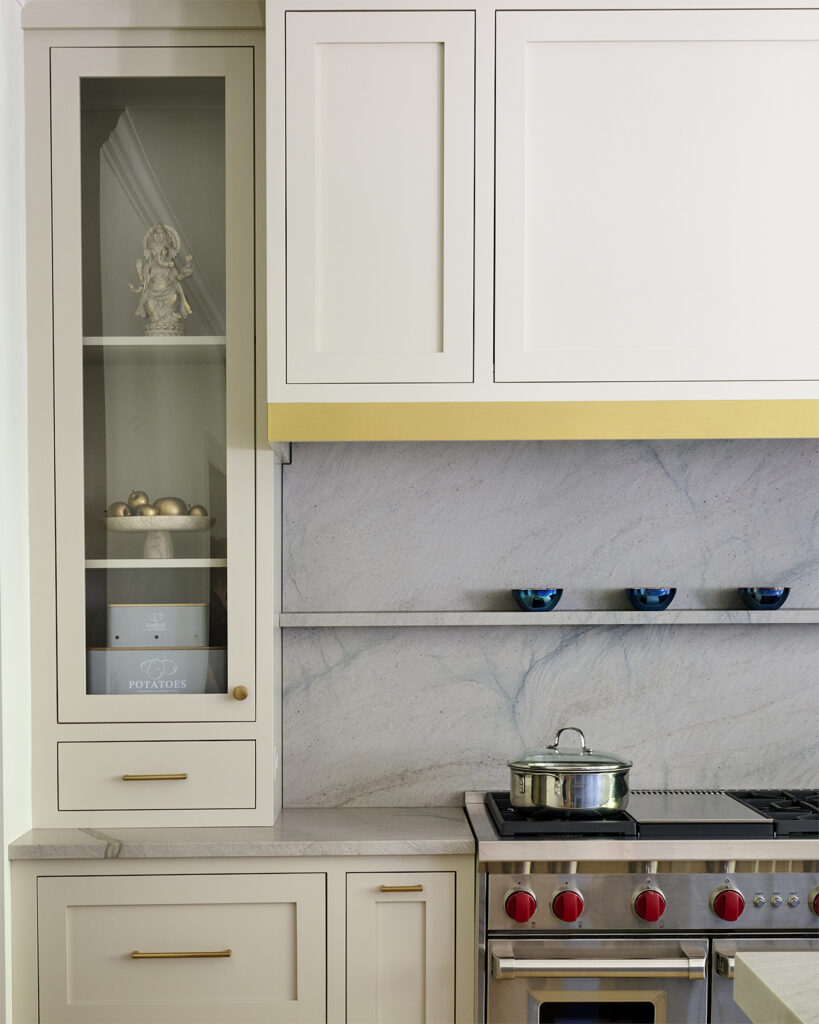
The Difference Between a Beautiful House and a Personal Home
One of my favorite questions to ask new clients isn’t about style.
It’s simply:
“How do you want your home to feel?”
Not how do you want it to look.
How do you want it to feel?
Because that’s where great design begins.
Some families crave quiet and calm after demanding careers.
Others want warmth, energy, and spaces filled with conversation.
Some dream of hosting friends every weekend.
Others want peaceful corners where they can read, recharge, and slow down.
These aren’t decorating decisions.
They’re lifestyle decisions.
When a home is designed around daily rituals instead of trends, something remarkable happens.
It becomes unforgettable.
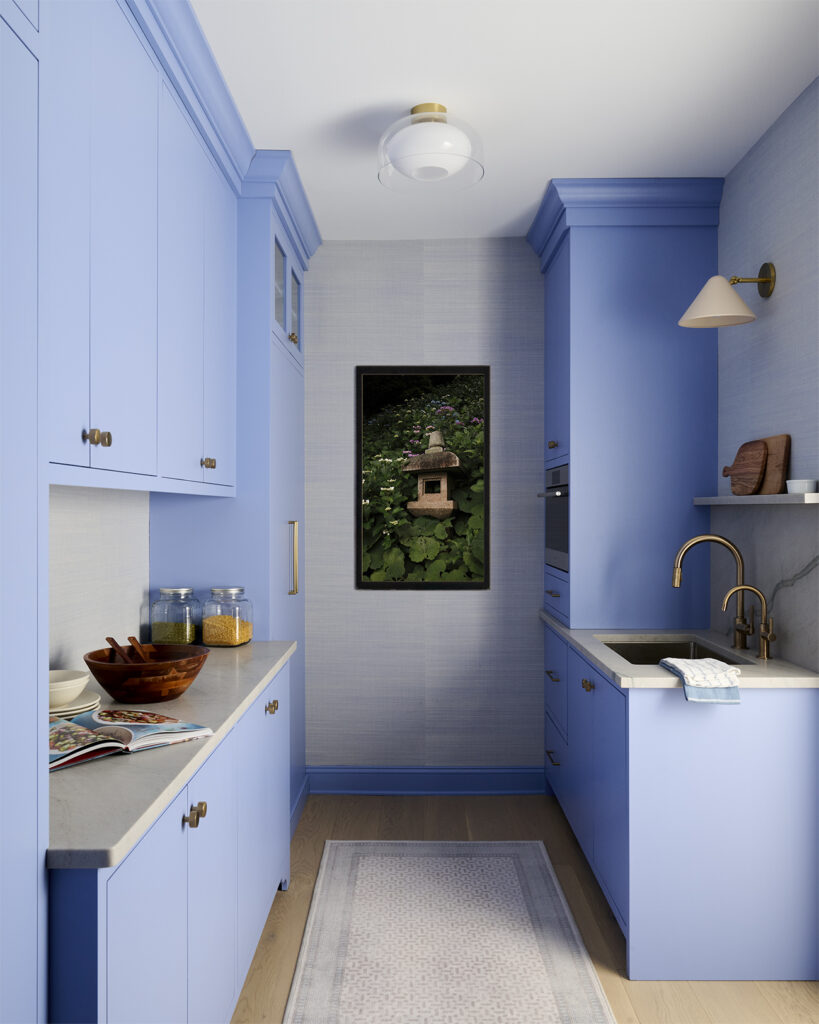
A Luxury Kitchen Designed Around Personality
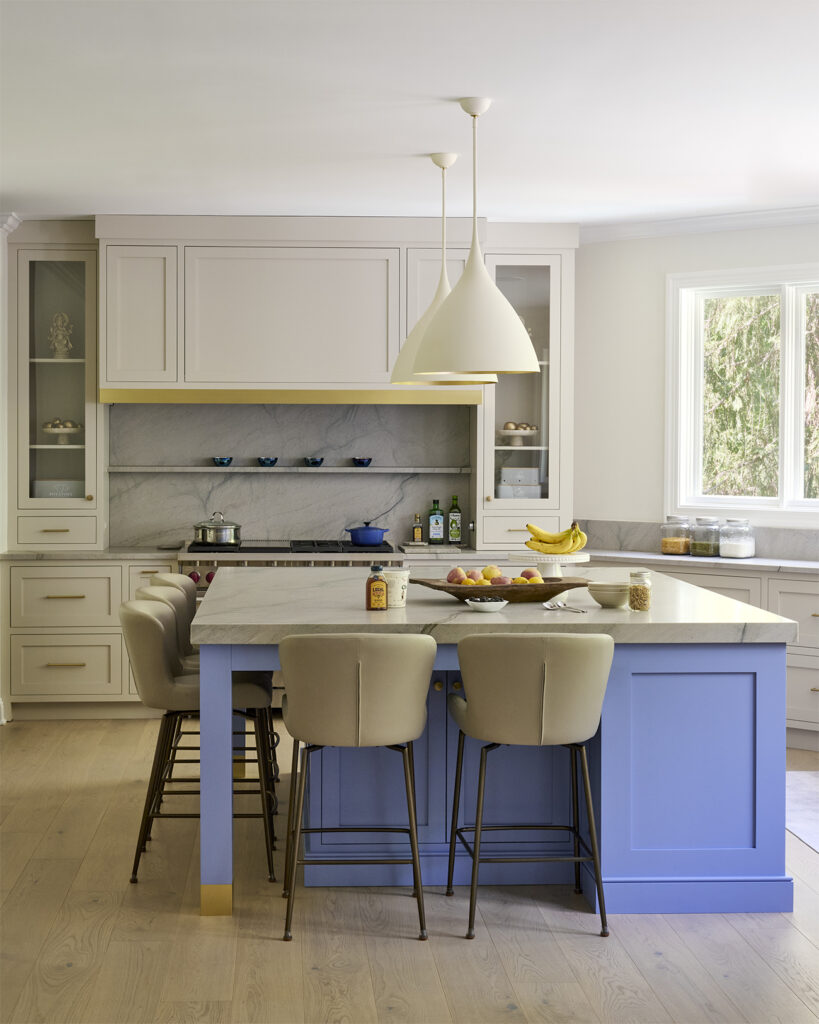
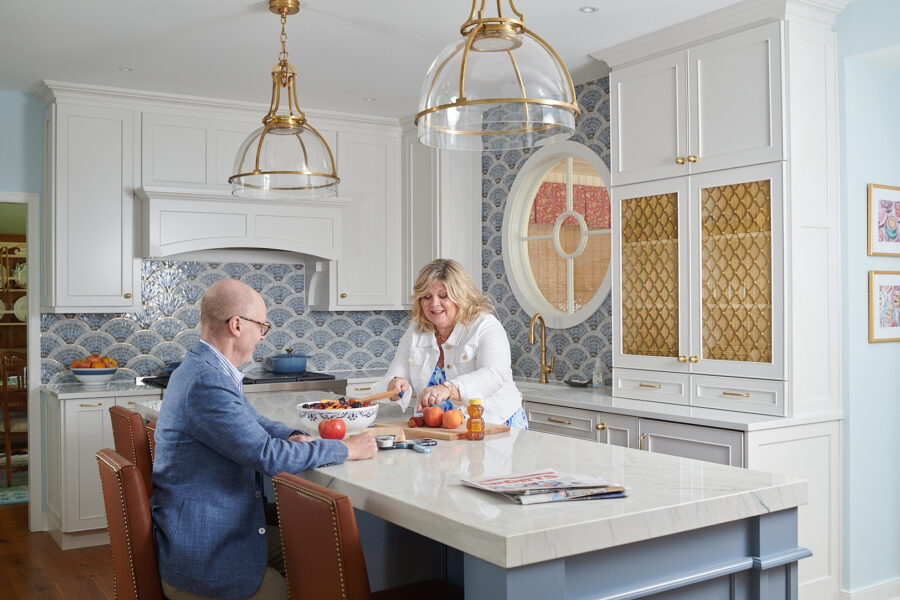
Recently, we completed a kitchen renovation that perfectly illustrates this philosophy.
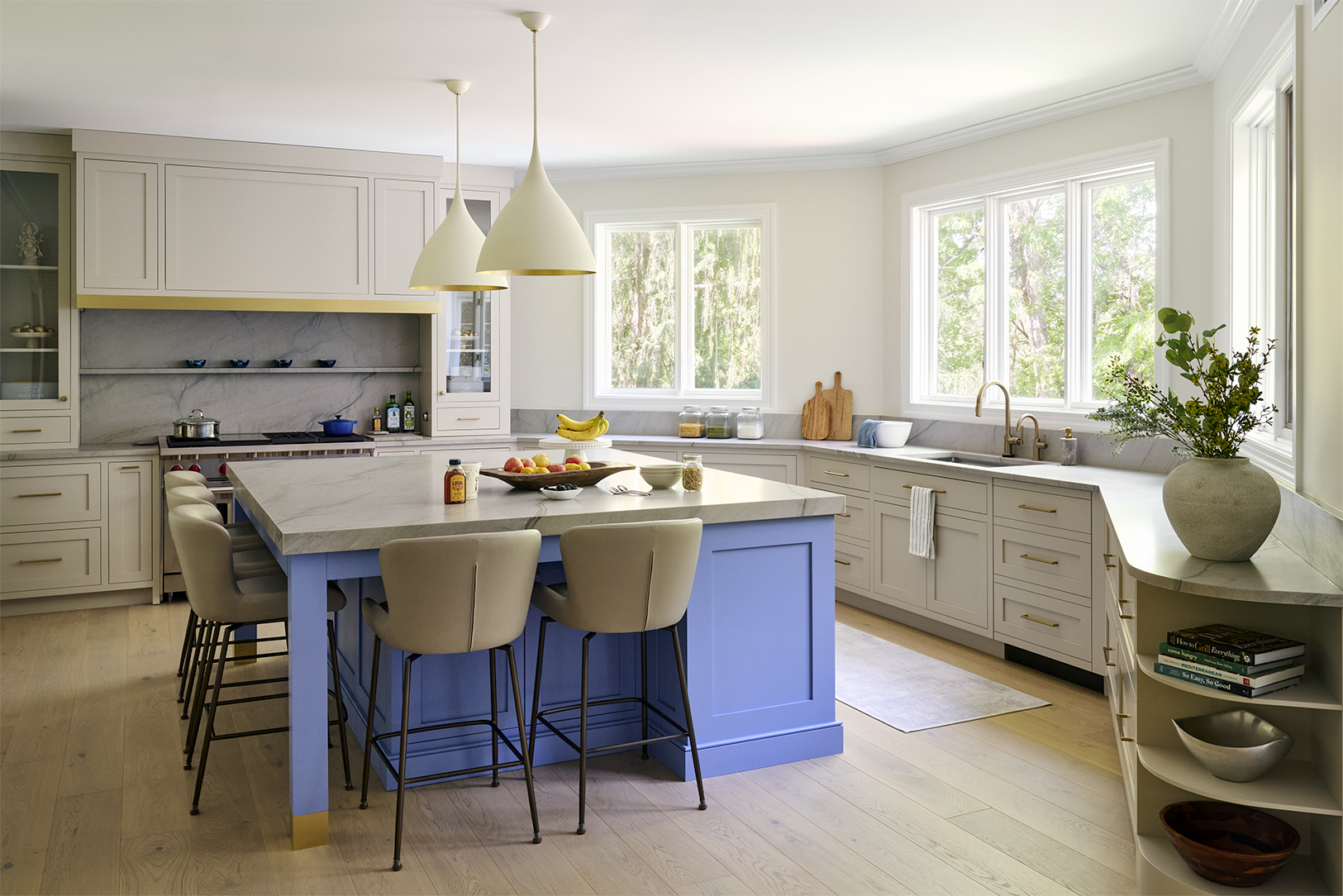
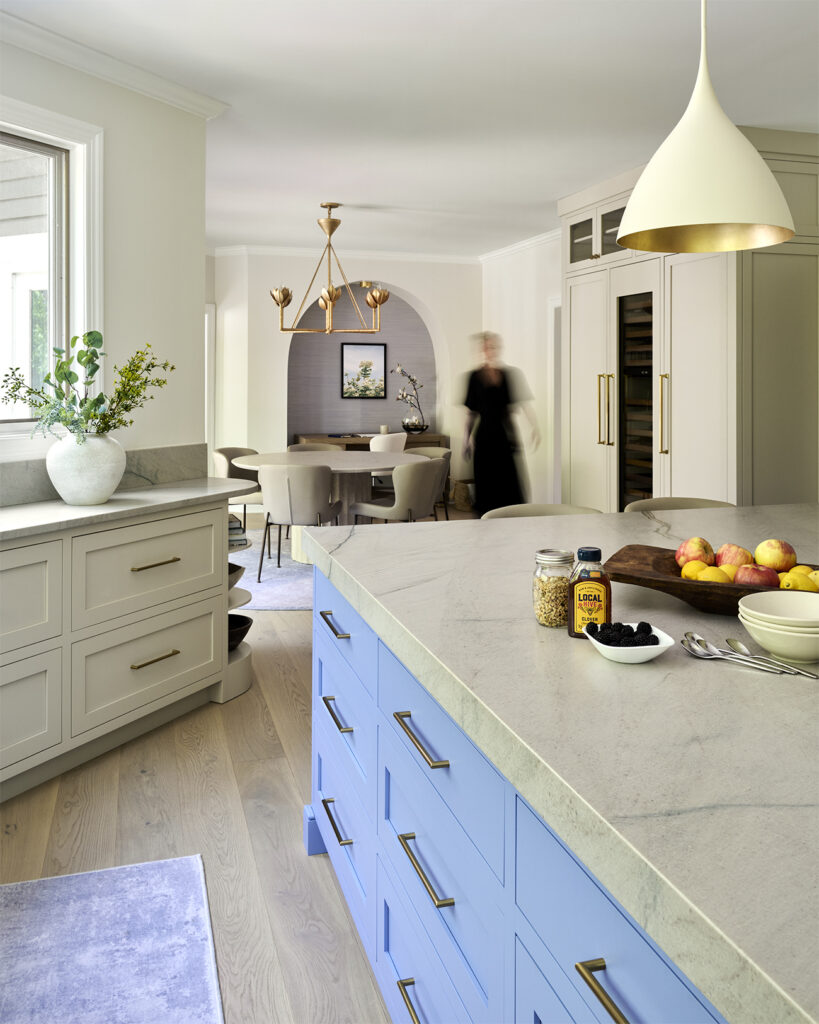
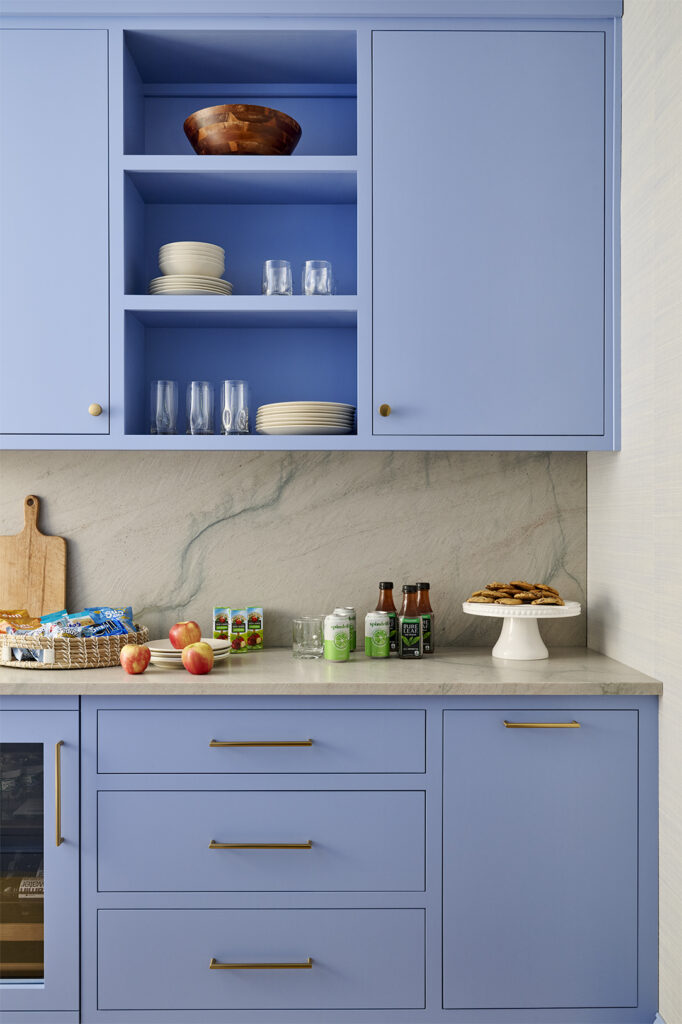
Instead of selecting another predictable white kitchen, our client embraced soft periwinkle cabinetry.
At first glance, it may seem like a bold decision.
In reality, it wasn’t about making a statement.
It was about creating a home that reflected their personality.
The color felt cheerful without being loud.
Classic without feeling expected.
Elegant without trying too hard.
Everything around it—from the finishes to the lighting to the architectural details—was intentionally designed to support that vision.
The result wasn’t simply a beautiful luxury kitchen.
It was a kitchen that could belong to only one family.
That’s the goal of luxury interior design.
Not to impress everyone.
But to delight the people who live there every single day.
Five Ways to Make Your Luxury Home Feel More Personal
If you’re planning a luxury home renovation or custom home, these principles will help your home feel timeless instead of trendy.
1. Design for your life—not for resale.
Too many homeowners make decisions for an imaginary future buyer. Instead, design for the next twenty years of your family’s life. The best homes are the ones that support how you actually live.
2. Invest in custom details.
Luxury lives in thoughtful details.
Custom millwork.
Handmade furniture.
Architectural trim.
Bespoke lighting.
These are the elements that create individuality and lasting character.
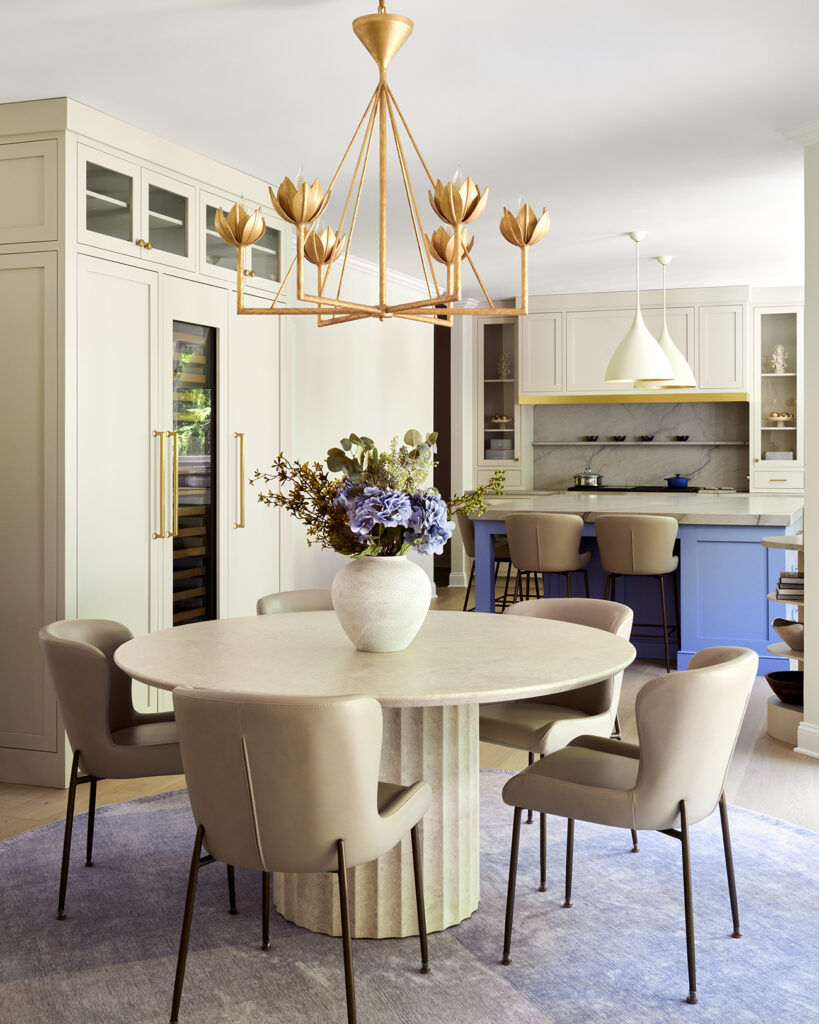
3. Don’t be afraid of meaningful color.
Neutral doesn’t have to mean colorless.
Sometimes one carefully chosen color tells a story that white never could.
Our recent periwinkle kitchen is proof that personal choices often become the most timeless ones.
4. Layer your home over time.
The most sophisticated interiors rarely arrive in one shipment.
Collected artwork.
Family heirlooms.
Vintage accessories.
Travel finds.
Beautiful homes evolve.
That’s what makes them feel authentic.
5. Hire an interior designer who asks better questions.
The right designer won’t begin by asking which countertop you prefer.
They’ll begin by understanding your family.
How you entertain.
How you recharge.
What inspires you.
How you want guests to feel when they walk through your front door.
Those conversations shape everything that follows.
Luxury Is an Experience, Not a Price Tag
The greatest misconception about luxury interior design is that more money automatically creates a better home.
It doesn’t.
A larger budget simply provides more opportunities.
What transforms those opportunities into something extraordinary is thoughtful collaboration, careful listening, and a design process rooted in authenticity.
That’s why two homes with identical budgets can feel completely different.
One feels like a beautifully furnished showroom.
The other feels like home.
Creating a Luxury Home That Could Never Belong to Anyone Else
At Liz Walton Home, we believe the most beautiful homes aren’t defined by the materials alone.
They’re defined by the people who live there.
Our role isn’t simply to specify cabinetry, select furniture, or source lighting.
It’s to understand your story and translate it into spaces that feel timeless, welcoming, and unmistakably yours.
Because true luxury isn’t about impressing others.
It’s about creating a home that supports your life beautifully every single day.
Whether you’re planning a luxury kitchen renovation, furnishing a newly purchased home, or embarking on a custom home build, investing in a thoughtful interior design process will always deliver something trends never can: a home with lasting character.
If you’re considering a luxury home renovation in Philadelphia, the Main Line, Chester County, or the surrounding communities, we’d love to help you create a home that’s as personal as it is beautiful.
Because the finest luxury homes don’t simply showcase exceptional craftsmanship.
They tell a story that could never belong to anyone else.
continue reading
When homeowners begin planning a luxury renovation, they often ask the same question:
“Where should we expect to spend the most money?”
The answer surprises almost everyone.
While premium finishes, custom cabinetry, and beautiful furnishings certainly require investment, they are rarely what cost homeowners the most.
The true expense comes from something much harder to quantify: the absence of the right team and a well-executed plan.
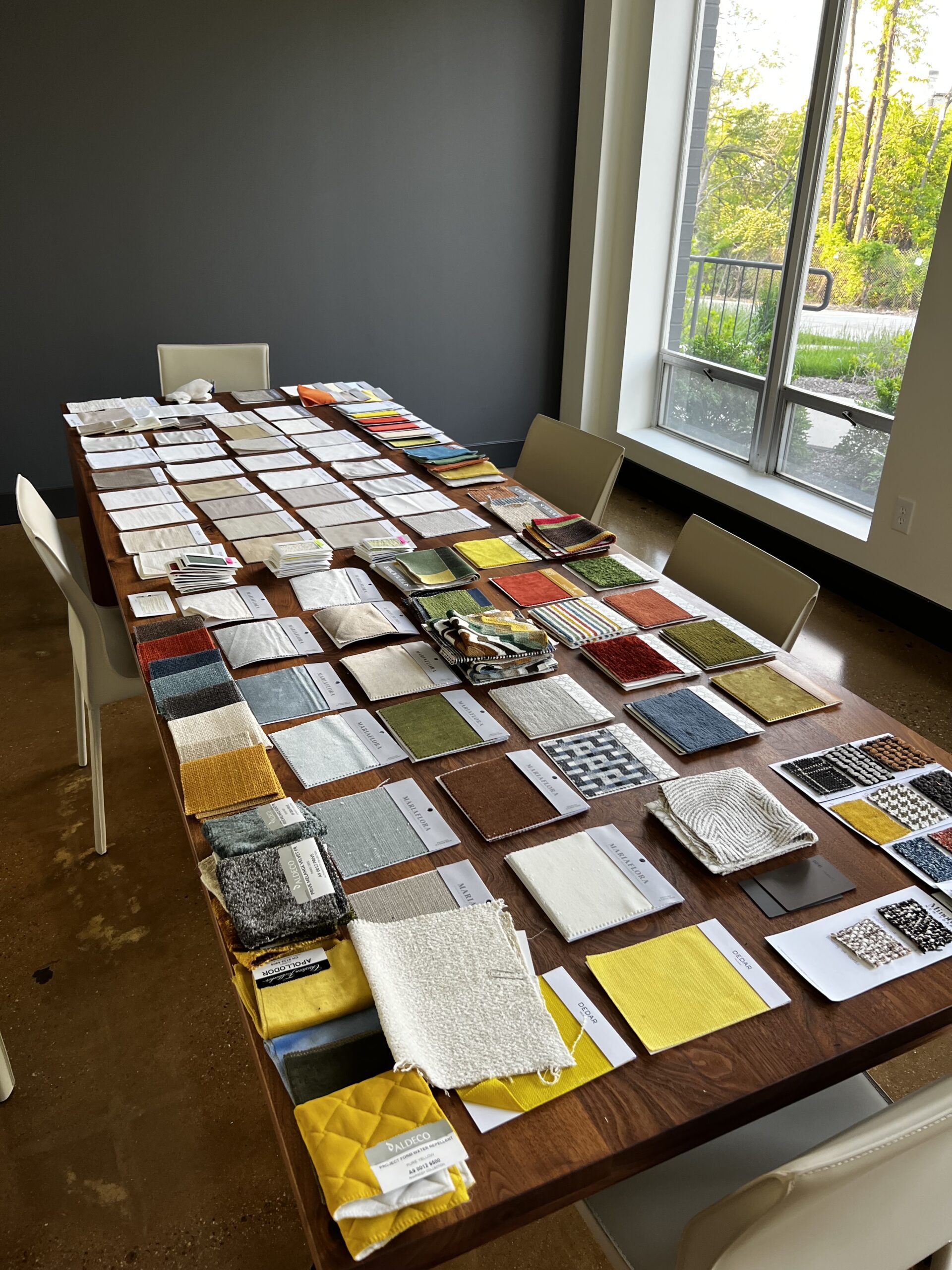
After nearly two decades of designing homes, we’ve seen the same story unfold time and again. Homeowners begin with confidence, believing they can coordinate the project themselves. They hire a contractor, gather inspiration online, and assume they’ll make decisions as they go.
Then reality sets in.
Hundreds of selections. Endless emails. Conflicting opinions. Delayed decisions. Mounting stress.
Luxury renovations aren’t difficult because they’re beautiful. They’re difficult because they’re incredibly complex.

The Hidden Costs Most Homeowners Never See
Poor communication creates expensive mistakes.
A renovation involves dozens of professionals working toward one shared vision. Builders, architects, cabinetmakers, electricians, plumbers, painters, millworkers, fabricators, installers, and suppliers all rely on clear, organized communication.
When that communication breaks down, mistakes happen.
A single missed detail can affect multiple trades, causing delays that ripple throughout the project. What seemed like a small oversight becomes weeks of lost time.
The best projects aren’t successful because nothing goes wrong. They’re successful because the right team communicates constantly and solves problems together.

Missed deadlines are often caused by indecision.
Many homeowners believe construction delays are solely the contractor’s responsibility.
More often than not, the delay begins much earlier.
Cabinet layouts aren’t finalized. Plumbing fixtures haven’t been selected. Tile decisions are still pending. Lighting plans remain unfinished.
Construction can’t move forward until those decisions have been made.
This isn’t because homeowners aren’t capable. It’s because they’re being asked to make hundreds of decisions, many of which they’ve never encountered before, while working full time jobs and/or caring for a family.
One unanswered question can delay an entire schedule.

Decision fatigue is real.
Few people appreciate the number of decisions required during a renovation until they’re living through one.
Paint colors.
Flooring.
Tile layouts.
Countertop edges.
Plumbing finishes.
Hardware.
Lighting.
Furniture.
Window treatments.
Custom details.
Each decision feels important because it is.
By the time homeowners reach the final stages of a project, many are simply exhausted.
Decision fatigue leads people to second-guess themselves, postpone choices, or settle for options they don’t truly love.
A design team doesn’t make decisions for you. We make them easier by narrowing the options, providing professional guidance, and ensuring every choice supports the overall vision.

Spending fatigue is equally real.
Luxury renovations require significant financial investment.
What many homeowners don’t anticipate is the emotional weight that comes with writing checks month after month.
Even when everything is going according to plan, it’s natural to begin questioning decisions or wondering if something less expensive would have been “good enough.”
This is where trust becomes invaluable.
An experienced design team helps clients distinguish between where to invest and where to save, keeping the long-term vision front and center instead of reacting to short-term emotions.

The Right Team Changes Everything
The best renovations we’ve been part of share one common characteristic.
The professionals genuinely enjoy working together.
There’s mutual respect.
Open communication.
Shared accountability.
No competition. No power struggles.
Everyone understands their role and works toward the same goal: creating an exceptional home for the client.
When homeowners carefully assemble a collaborative team from the beginning, the entire experience changes. Problems are solved faster. Decisions happen earlier. Communication improves. The project becomes more enjoyable for everyone involved.
How to Set Yourself Up for Success
If you’re planning a luxury home renovation, here are a few things that make an enormous difference.
Choose partners, not just providers. Select professionals you trust, respect, and genuinely enjoy working with. Technical skill matters, but collaboration matters just as much.
Be open to expert guidance. You’ve hired professionals for a reason. Allow them to challenge assumptions, present new ideas, and recommend solutions you may not have considered.
Prepare mentally for the process. Renovations are exciting, but they also require patience, flexibility, and hundreds of decisions. Knowing this ahead of time makes the journey much easier.
Let your design team do the heavy lifting. One of the greatest values an interior designer provides isn’t simply selecting beautiful finishes. It’s organizing information, coordinating moving pieces, anticipating challenges, communicating with the team, and allowing you to continue living your life while your home comes together.

The Most Valuable Investment You’ll Make
The cabinetry will eventually be installed.
The countertops will be fabricated.
The furniture will arrive.
Those are visible investments.
The invisible investment is assembling a team that communicates well, respects one another, and executes a thoughtful plan from beginning to end.
In our experience, that’s what saves homeowners the most time, the most money, and the most stress.
Because the most successful luxury renovations aren’t built on beautiful materials alone.
They’re built on trust.
Whether you’re just beginning to explore the idea of renovating or you’re already deep in the planning process, we’re always happy to be a resource. A thoughtful conversation at the beginning can save countless hours, unnecessary stress, and costly mistakes down the road. If you have questions about the process or simply aren’t sure where to start, we’d love to help you navigate the journey with clarity and confidence.
Continue Reading
There is something magical about summer.
Perhaps it’s the longer days, the slower pace, or the simple pleasure of gathering outdoors with the people we love. Whatever it is, summer invites us to live differently. We spend more time outside, welcome friends and family into our homes, and create memories that often become the stories we tell for years to come.
I was reminded of this recently during my annual trip to Greece with a group of girlfriends I’ve traveled with for over twenty years. There was no rushing from one thing to the next. Conversations lingered. Meals stretched for hours. Laughter came easily. Everyone seemed fully present.
Coming home, I found myself thinking about how we can create that same feeling in our everyday lives—not by booking a plane ticket, but by thoughtfully preparing our homes to support the way we want to live this season.
A well-loved home doesn’t happen by accident. It requires intention, care, and occasional maintenance. As summer settles in, this is the perfect time to refresh your spaces, protect your investment, and create an environment that encourages connection and relaxation.
Here is our Summer Home Care Guide to help you do just that.
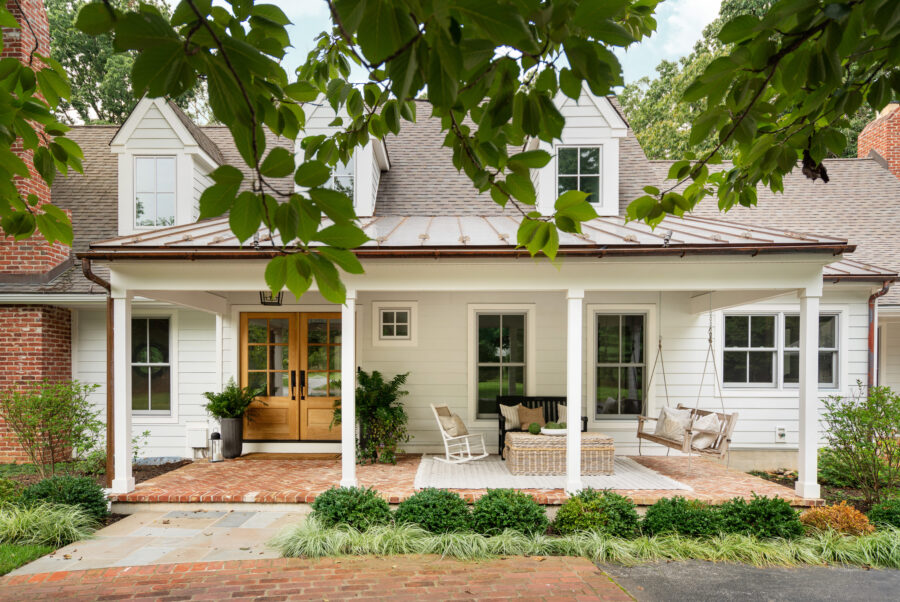
1. Refresh Your Outdoor Living Spaces
Summer living often revolves around the outdoors. Whether you have a sprawling backyard, a charming patio, or a cozy front porch, now is the time to make these spaces inviting.
Start by giving outdoor furniture a thorough cleaning. Wash cushions, wipe down frames, and inspect for any signs of wear. Consider updating pillows or adding a new outdoor rug to instantly refresh the space.
Comfort is key. The best outdoor spaces encourage people to linger. Invest in seating that invites long conversations after dinner and morning coffee before the day begins.
Ask yourself:
- Is there enough seating for family and guests?
- Do the spaces feel welcoming?
- Would I want to spend an entire evening here?
If the answer is yes, you’re on the right track.
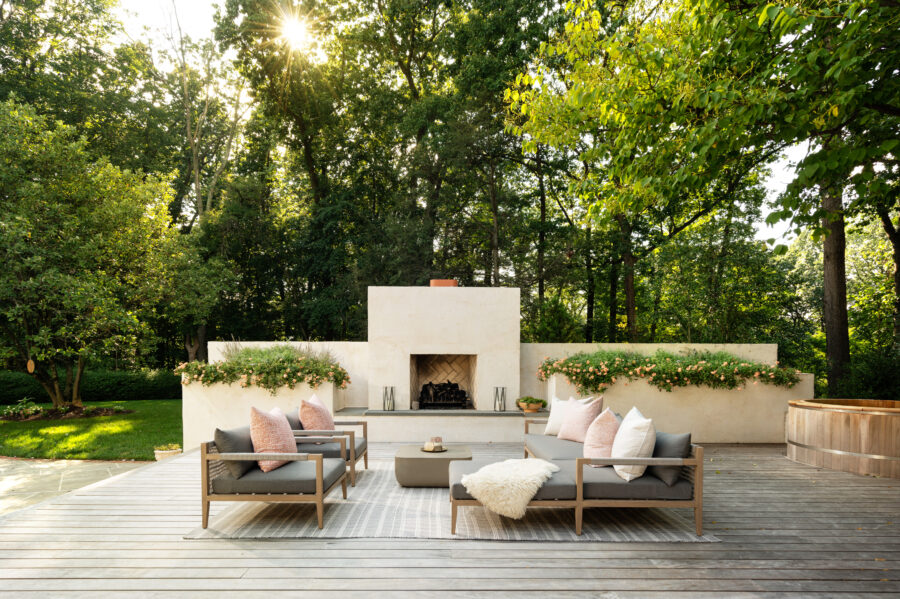
2. Tend to Your Garden and Landscape
Summer gardens have a way of teaching patience and presence.
This time of year, I find myself spending more time outside tending to plants, pulling weeds (my favorite!), and appreciating the small progress that comes with consistent care. The garden becomes a reminder that beautiful things often grow slowly.
A few simple tasks can make a significant difference:
- Refresh mulch beds to retain moisture and suppress weeds.
- Prune spent blooms and overgrown shrubs.
- Inspect irrigation systems for leaks or inefficiencies.
- Add seasonal containers near entryways for an instant boost of color.
Don’t forget to bring some of that beauty indoors. Fresh-cut flowers from the garden can transform a room and serve as a daily reminder to appreciate the season.
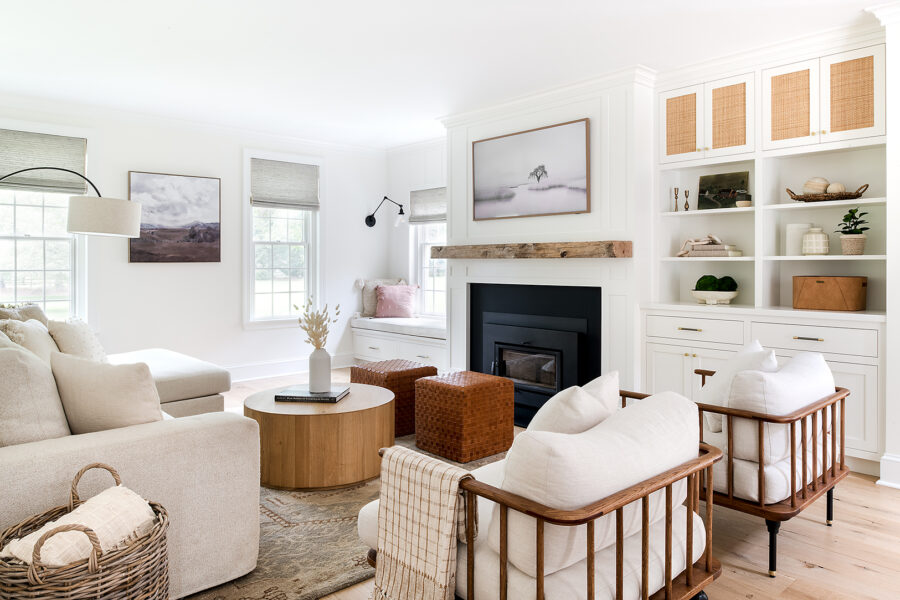
3. Let Summer Into the House
One of the easiest ways to refresh your home for summer is to lighten it.
Store heavy throws and winter accessories. Replace them with breathable linens, lighter textiles, and natural materials that reflect the season.
Consider:
- Washing windows inside and out to maximize natural light.
- Switching to lightweight bedding.
- Adding fresh greenery throughout the home.
- Opening windows during cooler mornings and evenings whenever possible.
A summer home should feel airy, effortless, and connected to the outdoors.
Often, the smallest changes create the biggest impact.
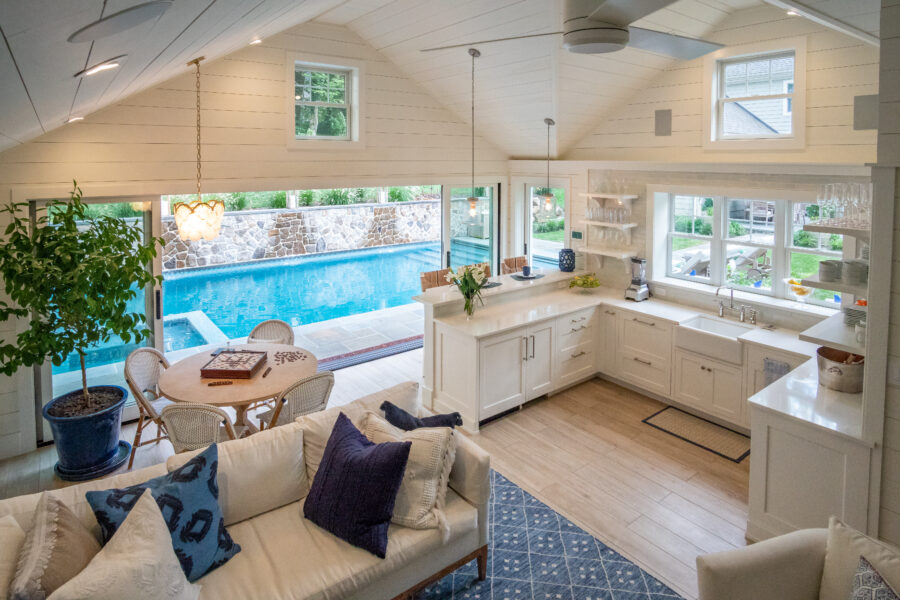
4. Protect Your Home with Seasonal Maintenance
While summer is a season for enjoyment, it’s also an important time for preventative maintenance.
A little attention now can help avoid costly repairs later.
Our recommended summer checklist includes:
- Scheduling HVAC maintenance.
- Cleaning ceiling fans and changing air filters.
- Inspecting decks, patios, and walkways for signs of wear.
- Checking exterior caulking around windows and doors.
- Testing outdoor lighting and replacing bulbs as needed.
- Ensuring gutters and drainage systems are functioning properly.
Your home is one of your largest investments. Consistent care helps preserve both its beauty and its value.
5. Create Spaces That Encourage Connection
One thing I loved most about Greece wasn’t the scenery, it was the way people gathered.
Phones stayed tucked away. Conversations unfolded naturally. Meals became experiences rather than obligations.
Those moments reminded me that our homes should make connection easy.
This summer, consider creating simple opportunities for gathering:
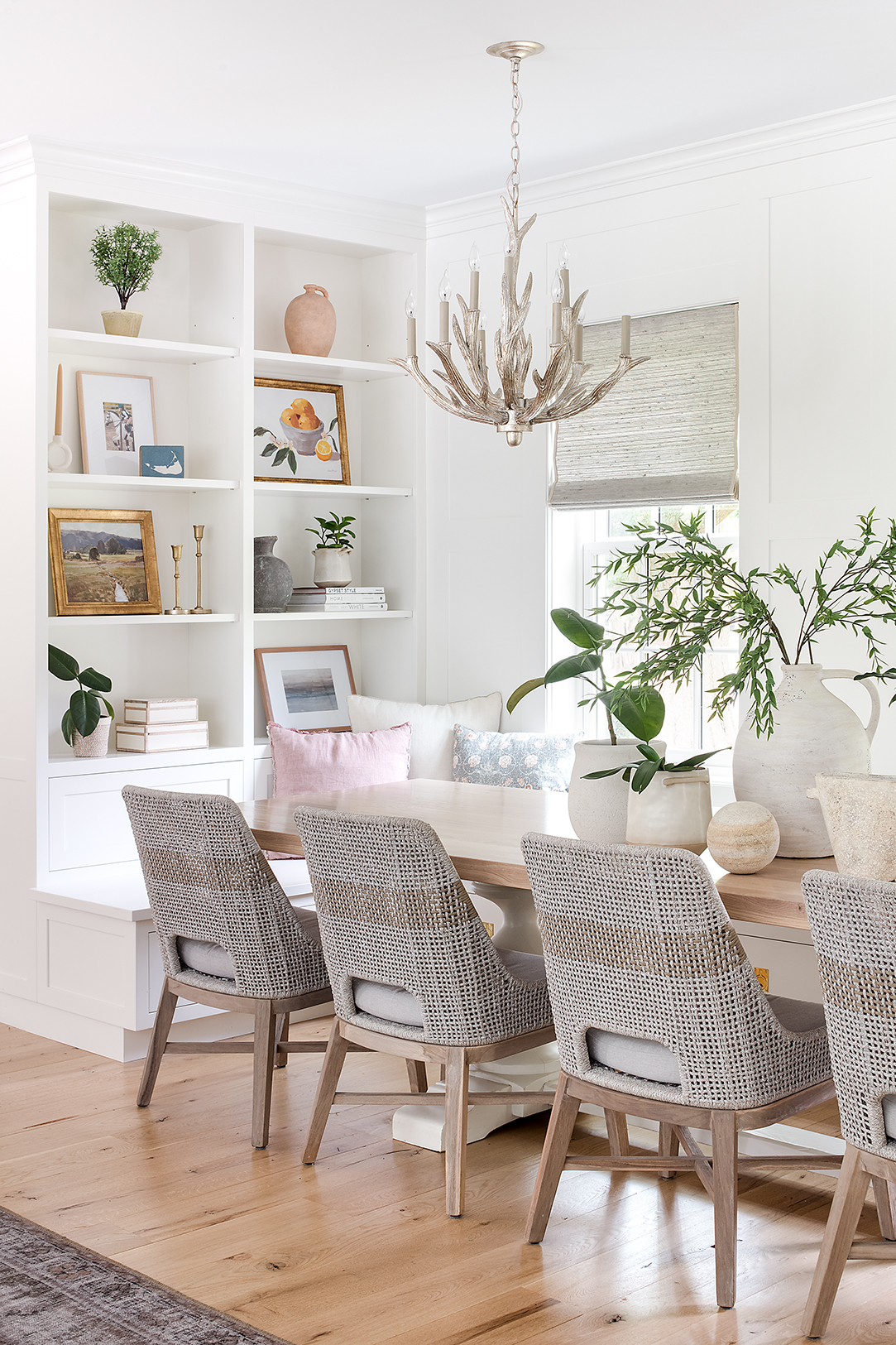
- Set up an outdoor dining area that is always ready for impromptu meals.
- Create a beverage station for guests and family.
- Keep outdoor games accessible.
- Add lanterns, candles, or string lights to extend evenings outside.
Most importantly, create spaces where technology takes a back seat and people take center stage.
The most beautiful homes aren’t necessarily the most elaborate. They’re the ones where people feel comfortable enough to stay awhile.
6. Simplify Your Everyday Routines
Summer often comes with sports schedules, vacations, pool days, and a steady stream of activity.
A little organization can make the season feel significantly less chaotic.
Take time to:
- Organize sports equipment and outdoor gear.
- Create designated drop zones near entryways.
- Edit clutter that accumulates throughout the year.
- Store items you won’t need until fall.
The goal isn’t perfection. It’s creating a home that functions effortlessly for your family.
When our homes support our routines, we have more energy for the things that matter most.
The Real Purpose of Summer
At Liz Walton Home, we believe great design is about more than beautiful spaces. It’s about creating homes that support the lives lived within them.
This summer, I am making a conscious effort to be more present. I’m turning off my phone more often, spending weekends watching my children do what they love, and making room for the relationships that deserve my attention.
My hope for you is the same.
Refresh the patio. Tend the garden. Open the windows. Gather around the table. Put the phone down.
Summer is fleeting, but the memories we create during it have a way of lasting forever.
Create a home that makes space for those moments.
continue reading
May has a way of arriving all at once.



Between spring sports, prom season, graduation celebrations, and the final stretch of the school year, calendars quickly fill to the brim. Add in Mother’s Day, a meaningful pause tucked into an otherwise fast-paced season, and it becomes clear why this time of year can feel both exhilarating and overwhelming. It’s a moment defined by motion, where daily life feels full, and yet there’s a collective anticipation for the slower, sun-soaked days of summer just ahead, especially as we look toward Memorial Day weekend, the East Coast’s unofficial start to the season.
At Liz Walton Home, this season also marks one of our most cherished traditions, our annual opportunity to gather and celebrate the incredible clients who make our work so meaningful.
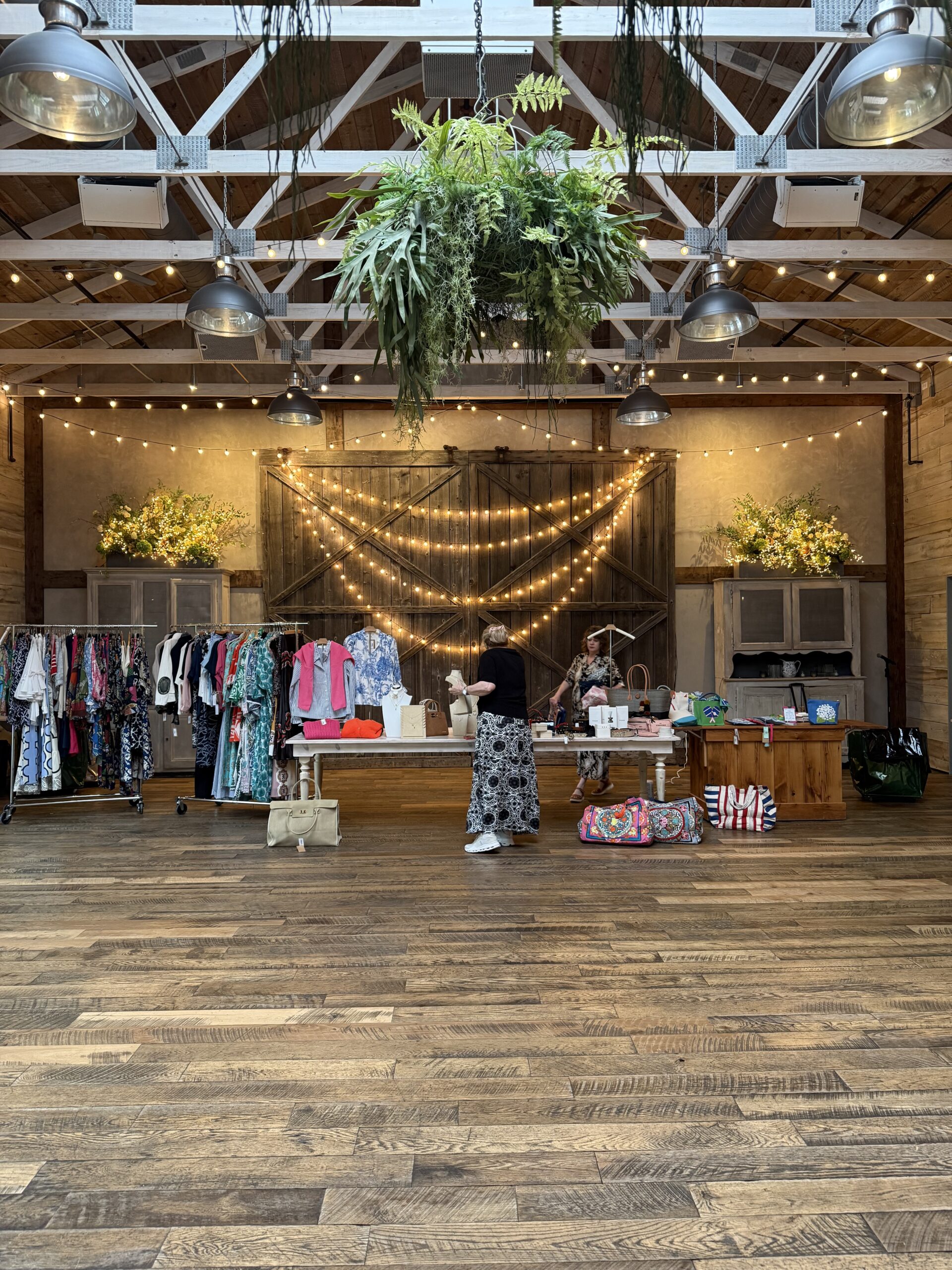
Last Wednesday, we hosted our 4th Annual Client Appreciation Event at Terrain Café in Devon. The setting was, as always, effortlessly beautiful: lush greenery, thoughtful design, and a warm, welcoming atmosphere that perfectly reflects the kind of environments we strive to create in our own work. Clients joined us for a relaxed luncheon, where conversation flowed as easily as the wine, followed by a personalized shopping experience hosted by B Devoted in Wayne.


We are especially grateful to Karen and her team at B Devoted for their partnership in bringing this experience to life. Their eye for detail and commitment to creating a meaningful client experience aligned seamlessly with our own values.
What continues to make this event so special, however, is not just the setting or the details, it’s the people. Year after year, we see clients connecting beyond their individual projects. Stories are shared, friendships are formed, and there’s a genuine sense of community that has grown organically over time. It’s a reminder that great interior design is not just about beautiful spaces, it’s about the lives lived within them, and the relationships built along the way.
Our Liz Walton Home community is something we never take for granted. It is, truly, a cornerstone of our business and a constant source of inspiration. And while this year’s event was unforgettable, we’ve already begun imagining how we can make next year’s gathering even more meaningful.
Behind the scenes, May is equally full for our team. We are currently preparing for two large-scale interior design installs, projects that have moved from concept to completion and are about to be revealed in their entirety. There is nothing quite like this phase, where months of planning, sourcing, and collaboration come together in a finished home. At the same time, we are conducting pre-construction walkthroughs for a full home renovation, laying the groundwork for a transformative project before construction begins. Alongside this, several new clients are entering the design phase, where initial ideas, inspiration, and strategy begin to take shape. It’s a layered and exciting time at Liz Walton Home, reflecting the full spectrum of our work, from vision to execution.
As we look ahead, the energy of the season continues, this time extending beyond our homes and into the city around us.
Philadelphia summer events are set to take center stage, beginning with the PGA Championship at Aronimink this week. This iconic venue will welcome golf enthusiasts from across the country, bringing a sense of excitement and global attention to our local community. And it’s only the beginning. The FIFA World Cup will be here in June, followed by the celebration of the United States’ 250th Anniversary, and MLB All-Star Week to name a few. There are so many outdoor festivals and cultural experiences this summer, Philadelphia offers something for everyone.
It’s one of the many reasons we love designing homes in this region, our clients aren’t just investing in beautiful interiors, they’re embracing a lifestyle. A lifestyle that blends quiet luxury at home with vibrant, memorable experiences just beyond the front door.
And as we step into the season ahead (and a trip to Greece just around the corner!) we are feeling inspired by what’s to come, both at home and abroad.
Warmly,


