

Liz Walton Home
interior
DEsign
est.
2008
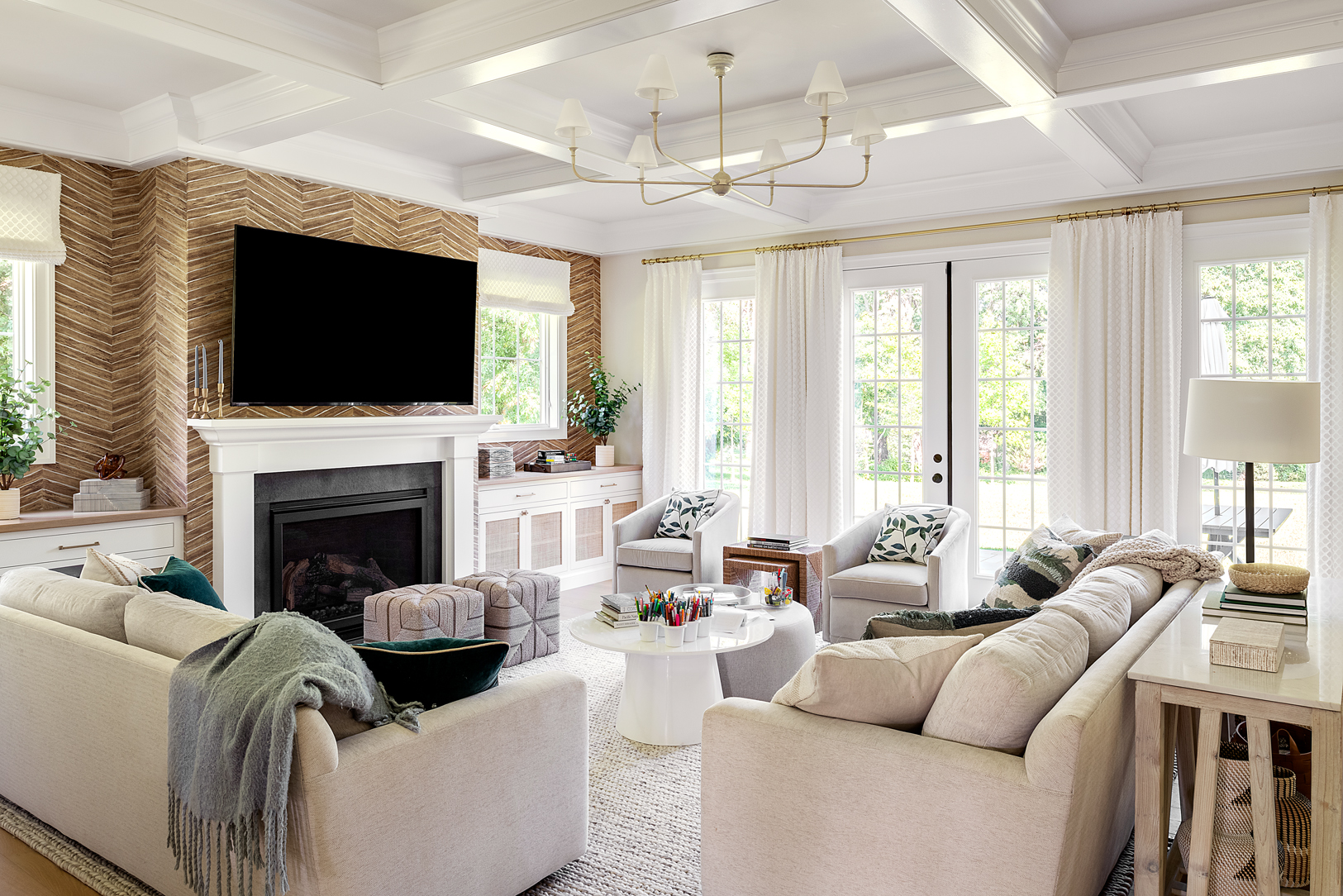
10 Mistakes to Avoid When Redesigning Your Living Room
The living room is often the most lived-in space in a home. It is where conversations unfold, where we gather at the end of the day, where guests are welcomed, and where life quietly happens in between.
And yet, it is also one of the easiest spaces to get wrong.
Over the years, we have guided clients through countless living room design and renovation projects, and along the way, we have seen a handful of common missteps. Small decisions that can keep a room from feeling as effortless, functional, and inviting as it should.
If you are redesigning your living room or planning a home update this season, here are ten mistakes to avoid.
1. Choosing Furniture That Doesn’t Fit the Room
One of the most common pitfalls in living room design is selecting furniture that is either too large or too small for the space. Pieces that overwhelm a room can make it feel cramped, while undersized furniture often leaves it feeling disconnected and incomplete.
A well-designed living room feels balanced, where each piece has presence but nothing competes.
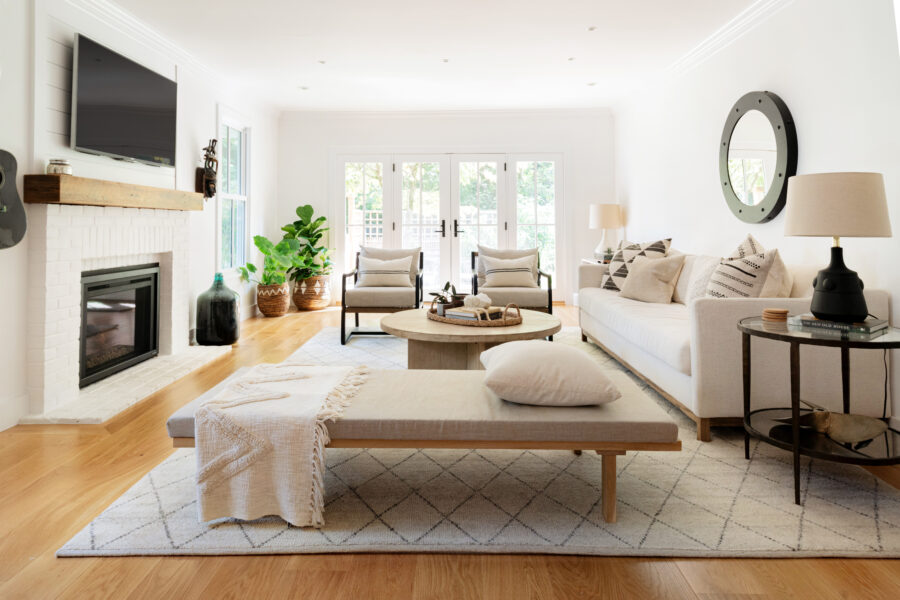
2. Pushing Everything Against the Walls
It is instinctive to line furniture along the perimeter, but doing so often creates a space that feels more like a waiting room than a place to gather.
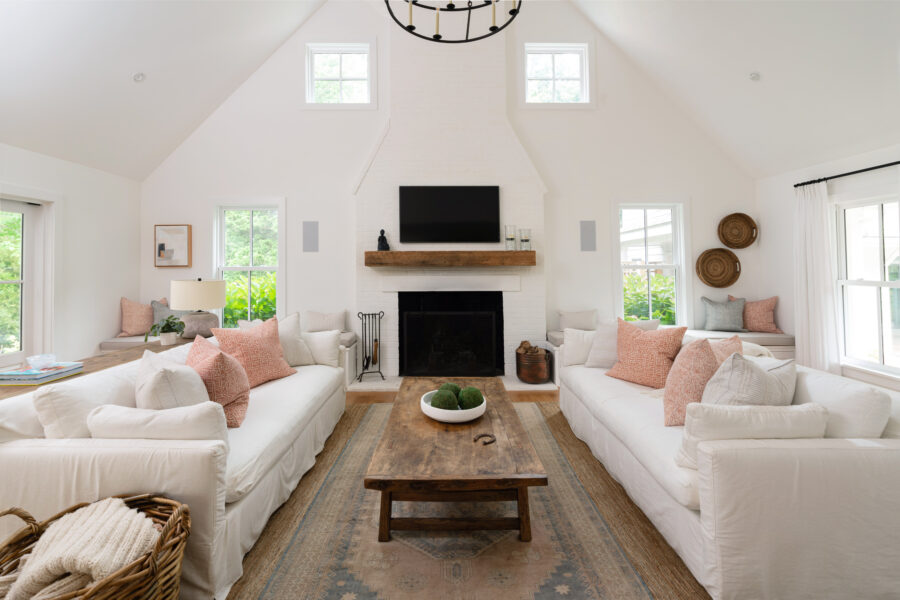
Bringing furniture inward and creating intentional groupings is one of the simplest yet most impactful interior design tips for living rooms. Even in smaller spaces, a thoughtful layout encourages conversation and connection.
3. Relying on a Single Light Source
Overhead lighting alone rarely creates the kind of warmth a living room needs.
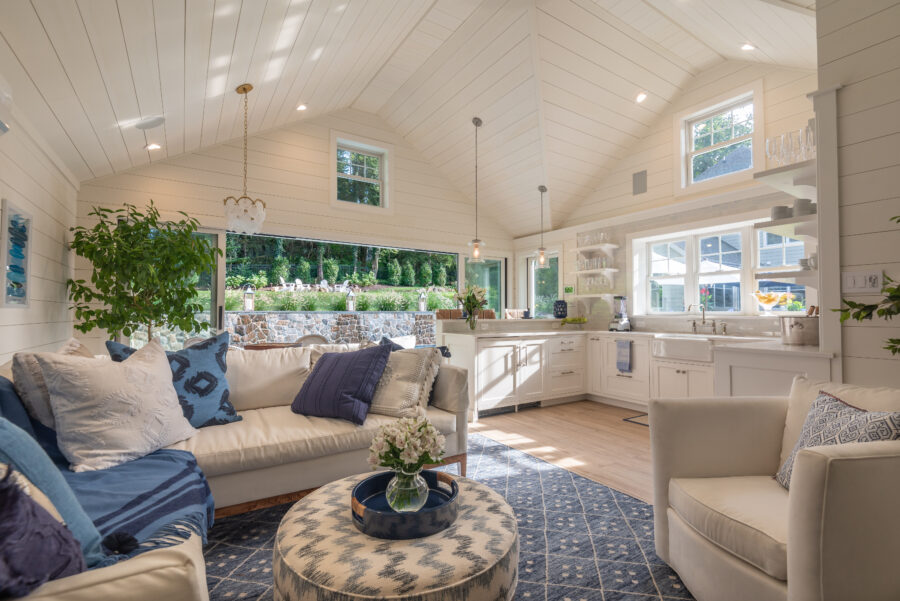
Layered lighting, including table lamps, floor lamps, and sconces, is essential to a well-designed living room. It adds depth and dimension while allowing the space to shift with the time of day and the mood you want to create.
4. Skipping a Cohesive Color Story
A beautiful room does not rely on a single color, but it does need a clear direction.
When colors feel disconnected or overly varied, the space can feel unsettled. A cohesive palette, thoughtfully layered, is key to creating a timeless living room design that feels intentional.
5. Choosing Style Over Comfort
A living room should never feel like it is just for show. Remember when people used to cover their “good” furniture in plastic? Enough said.
While aesthetics matter, comfort is what draws people in and keeps them there. The most successful living room interiors strike a balance between beauty and livability.
6. Not Considering How the Room Is Actually Used
Every home and every family lives differently.
A functional living room design starts with understanding how the space will truly be used. Whether it is hosting, lounging, reading, or gathering with children, the design should reflect real life, not just an ideal.
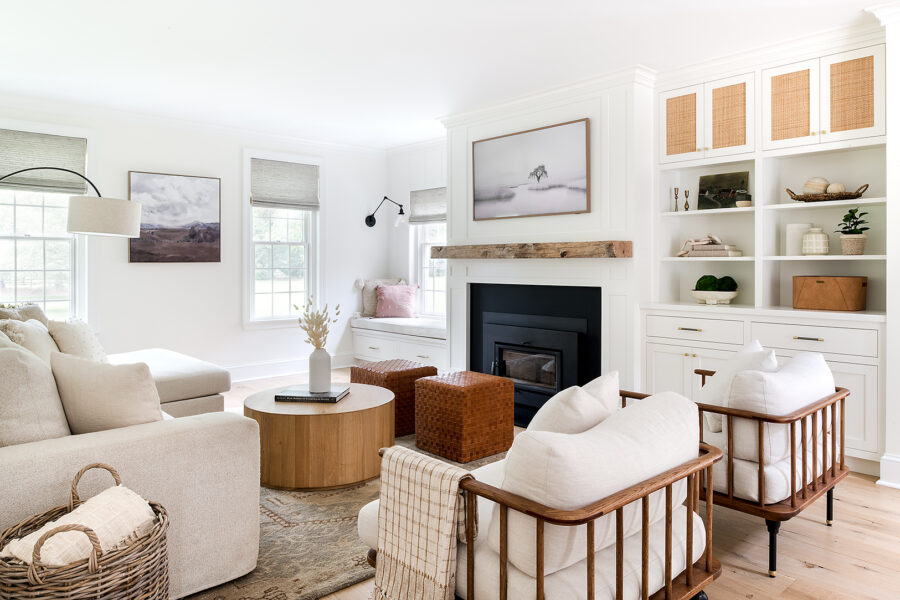
7. Forgetting Texture and Layering
The rooms that feel the most inviting are rarely the ones with the most things. They are the ones with the most depth.
Layering materials such as soft textiles, natural woods, woven elements, and subtle contrast is a foundational interior design principle that brings warmth and interest without feeling overdone.
8. Hanging Art at the Wrong Height
It is a small detail, but one that makes a noticeable difference.
Art that is hung too high can feel disconnected from the room. As a general rule, hang art 60” from the floor to the center of the piece. Proper placement helps anchor the space and is an often overlooked element of thoughtful home interior design.
9. Not Addressing Window Treatments
Window treatments are often treated as an afterthought, but they play a significant role in how a room feels.
They soften the architecture, frame the view, and contribute to both light control and privacy. Without them, even the most thoughtfully designed living room can feel unfinished.
10. Rushing the Process
Perhaps the most important one of all.
A well-designed living room is not created overnight. It evolves, layer by layer and decision by decision. Rushing the process when designing a living room often leads to choices that do not feel quite right in the long run.
The most meaningful spaces are the ones that are considered, refined, and allowed to come together over time.
A Final Thought
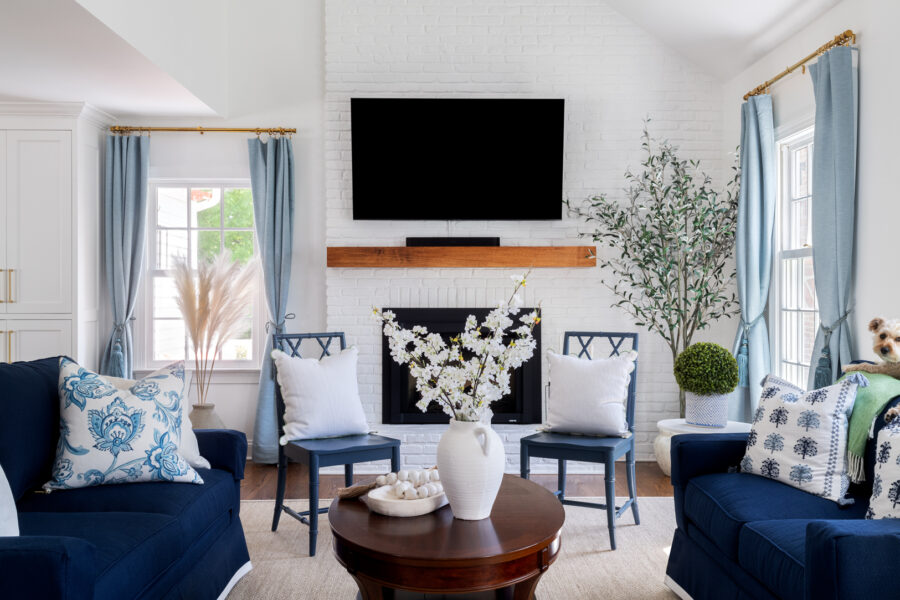
At its core, a living room should feel like you.
Not just beautiful, but personal. Not just styled, but lived in. A space that supports your routines, reflects your story, and welcomes others in.
If you are considering a living room redesign or planning a larger home project, the process should feel just as thoughtful as the end result. And if you are looking for guidance, working with an experienced interior designer can bring clarity, intention, and ease to every step.


