

Liz Walton Home
interior
DEsign
est.
2008
Why the Most Beautiful Homes Aren’t Designed All at Once
The secret to a timeless home isn’t having everything perfectly finished. It’s knowing what to invest in, what to wait for, and how to leave room for life to happen.
There’s a moment at the end of nearly every interior design project that I absolutely love.
The furniture has been installed. The window treatments are hung. The lighting is just right. The pillows are fluffed, the artwork is in place, and everything finally comes together.
It’s the moment our clients have been waiting for. But here’s something I tell them that might surprise you:
Your home doesn’t have to be “finished” to be beautiful. In fact, the most interesting homes rarely are.
After nearly two decades of designing homes for families throughout the Philadelphia Main Line and beyond, I’ve come to believe that truly timeless interiors are not created by purchasing everything at once. They’re created through a thoughtful combination of good design, meaningful possessions, personal experiences, and time.
And perhaps most importantly, by knowing when not to buy something.
Let me explain.
1. A Beautiful Home Should Tell Your Story, Not Mine
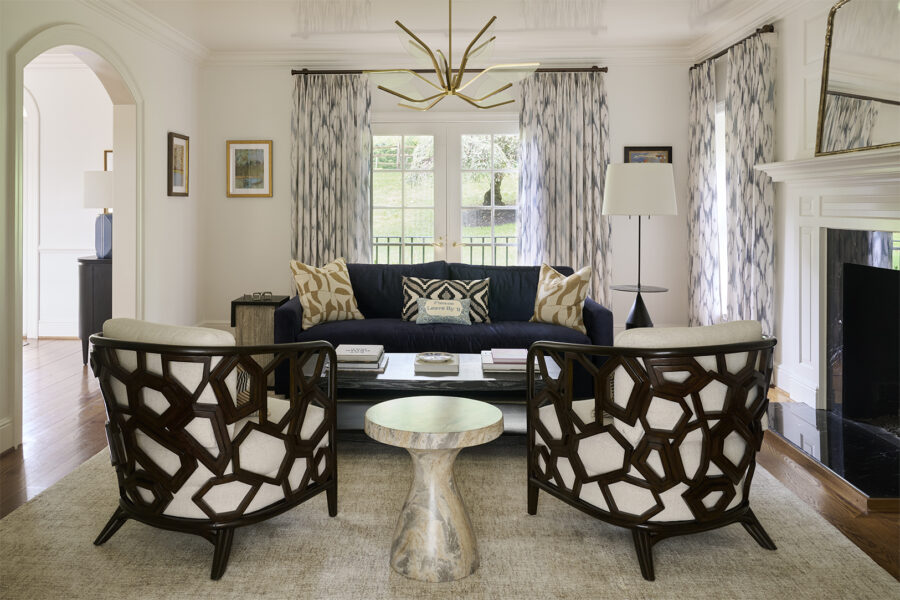
One of the things I tell my clients is that I never want someone to walk into their home and immediately say, “Oh, Liz Walton designed this.” I want their home to be the very best reflection of them. Their family. Their travels. Their collections. Their personality. Their lives.
Of course, every designer has a point of view, and I certainly have mine. But the goal of good interior design shouldn’t be to create a recognizable formula that gets repeated from one house to the next. It should be to create a home that feels authentic to the people living there. That’s one of the reasons I believe so strongly in collected interiors.
A beautiful antique chest inherited from a grandmother might sit beside a contemporary sofa. A piece of artwork discovered while traveling might find its place above a mantel. Books collected over decades might fill the shelves of a library.
None of these things necessarily came from the same store, designer, or decade. And that’s precisely what makes them interesting. The most compelling rooms have depth. They reveal something about the people who live there.
A home should never feel like a showroom. It should feel like a life well lived.
2. You Don’t Need to Buy Everything at Once
We live in a world where instant gratification has become the expectation.
You can furnish an entire room online in an afternoon. A few clicks, a delivery date, and suddenly you have a completely decorated space. But just because you can doesn’t mean you should. One of the biggest mistakes I see homeowners make is feeling pressured to fill every empty corner, every wall, and every shelf immediately. They want the room to feel complete, so they purchase something simply to occupy the space.
And that’s where things can go wrong.
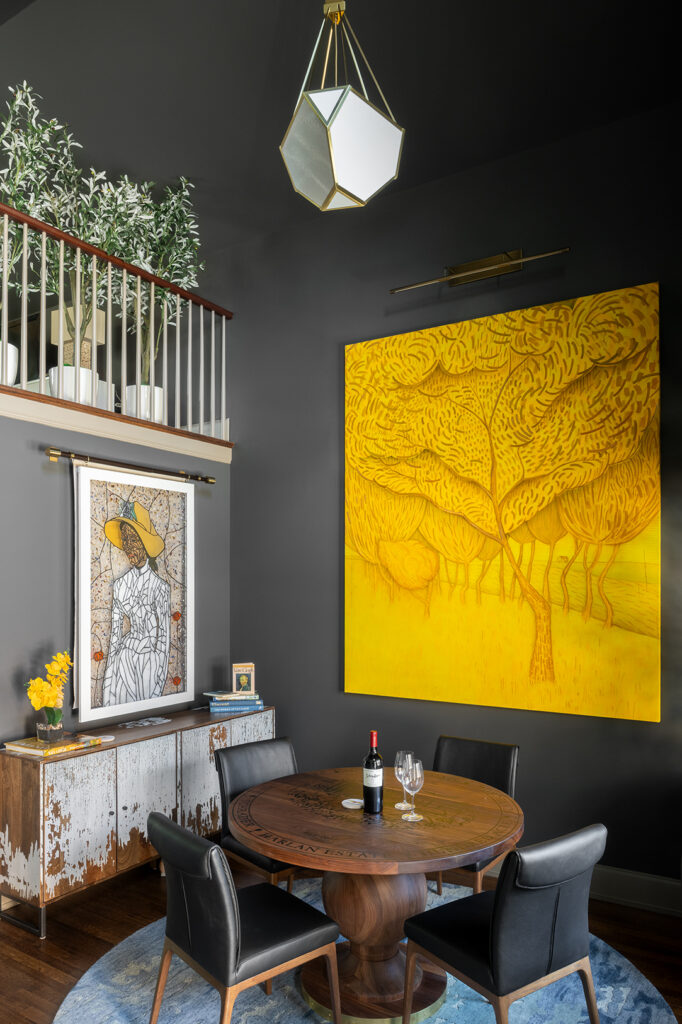
I would much rather see a client live with an empty wall for six months than purchase artwork they don’t absolutely love. I’d rather leave a corner empty than fill it with a chair that doesn’t quite work. And I’d certainly rather wait for the right antique than settle for something that has no real character. This isn’t about spending more money. It’s about spending money intentionally.
In fact, some of the most meaningful things in our homes have very little monetary value at all.
A framed photograph, a collection of seashells from family vacations, or a beautiful piece of pottery purchased on a trip can bring more personality to a room than an expensive accessory selected simply because it matches the color palette. Some of the most treasured items in my own home are my kids’ art projects. Are they fine works of art? No. But to me, they are irreplaceable.
The right piece is always worth waiting for. And when you find it, you’ll know.
3. The Difference Between a Finished Home and a Collected Home
There’s an important distinction I want to make here.
When I say that the most beautiful homes evolve over time, I’m not suggesting that you should approach a renovation or new construction project without a comprehensive design plan. Quite the opposite. The foundation of a beautiful home should be incredibly thoughtful.
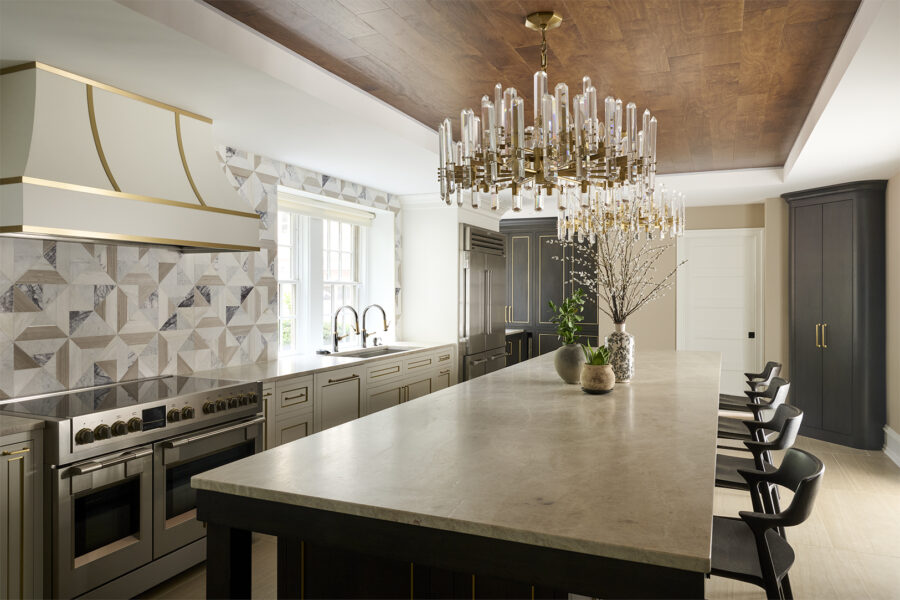
Space planning, architectural details, cabinetry, lighting, flooring, plumbing fixtures, and the overall flow of the home should all be considered early in the design process. These are the decisions that are difficult, expensive, or sometimes impossible to change later. And they’re exactly where an experienced interior designer brings tremendous value. The goal is to create a home that functions beautifully from day one, while allowing the decorative layers to evolve naturally.
Think of it this way:
The architecture and foundational design establish the framework. Your life adds the layers.
You might invest in a beautifully crafted dining table that will serve your family for decades, while gradually collecting the artwork and accessories that surround it.
You might design a library with exquisite millwork, comfortable seating, and thoughtful lighting, knowing that the shelves will become more interesting as your collection of books and personal treasures grows.
Or you might complete a bedroom with beautiful furnishings and window treatments, leaving space for a special piece of art you haven’t discovered yet. These aren’t unfinished rooms.They’re thoughtfully designed rooms with space to grow.
4. Why Timeless Interior Design Requires Patience
We hear the word timeless used constantly in interior design. But what does it actually mean? To me, timeless design isn’t about making everything neutral or avoiding trends at all costs. It’s about creating spaces that will continue to feel beautiful, comfortable, and relevant as life changes. And that often requires patience.
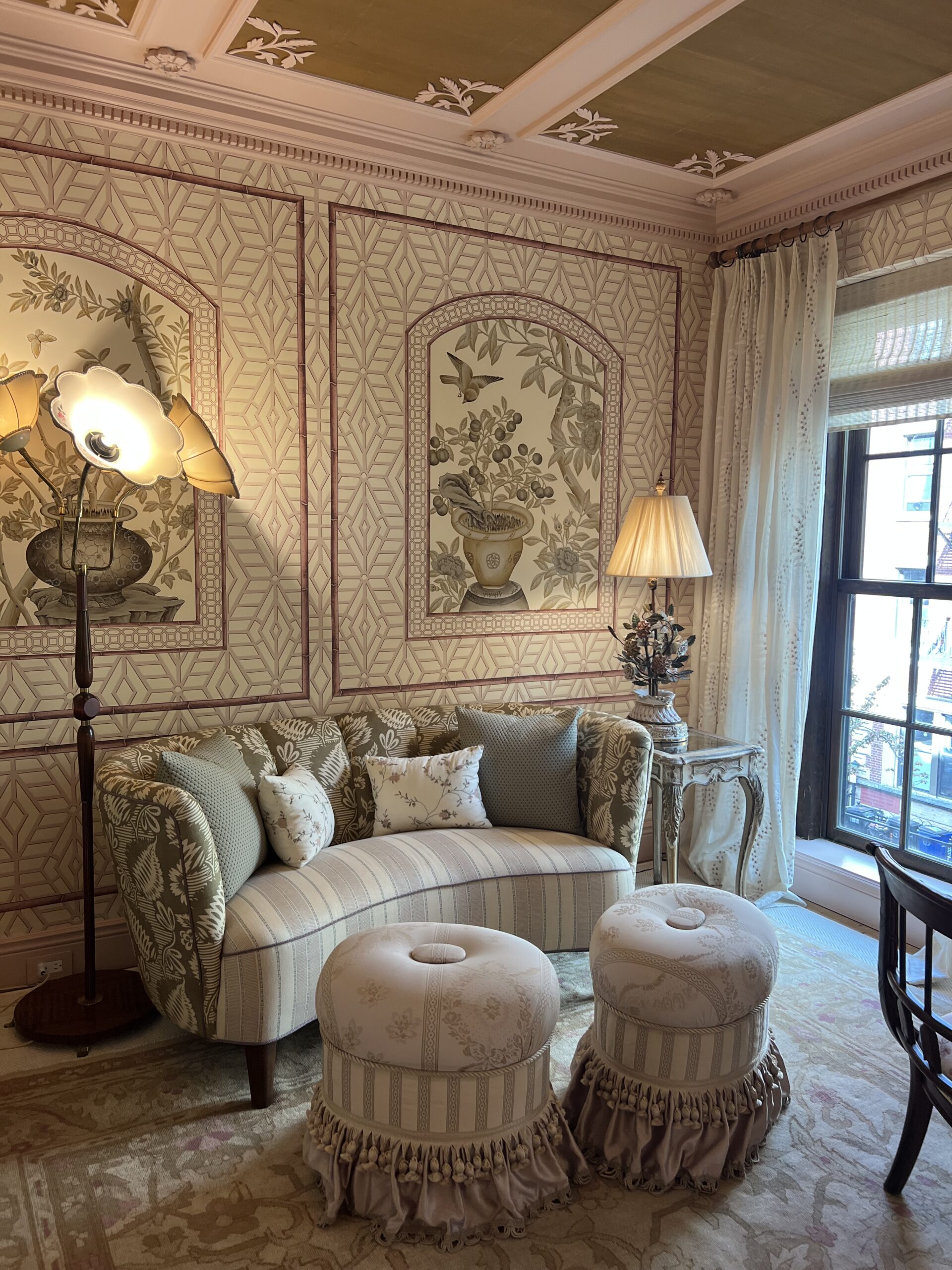
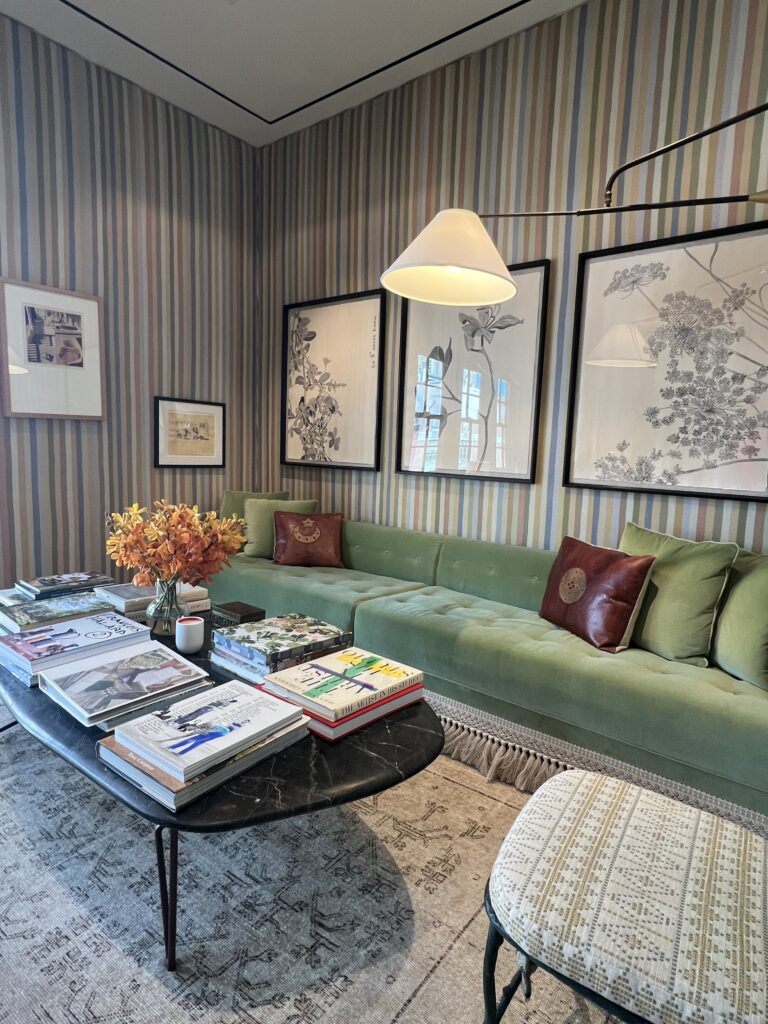
I recently visited the Kips Bay Decorator Show House in New York City, and I left feeling incredibly inspired by the creativity and individuality of the rooms. My biggest takeaway? More is more! Beautiful layers of color, pattern, texture, and personality. Upholstered walls and ceilings. Unexpected combinations that made the spaces feel exciting and distinctive. It was a wonderful reminder that timeless design doesn’t have to mean playing it safe. A room can be bold and still have longevity.
The key is understanding the difference between choosing something because you genuinely love it and choosing something simply because it’s having a moment. If you love a richly patterned wallpaper, use it. If you’ve always dreamed of a colorful library, embrace it. If you find an antique that speaks to you, don’t worry whether it matches everything else perfectly.
The homes that stand the test of time are often the ones that reflect the strongest sense of personal identity. Personal identity isn’t something that can be purchased in a single shopping trip. And if you truly love something, it will never go out of style.
5. Your Home Should Evolve as Your Family Does
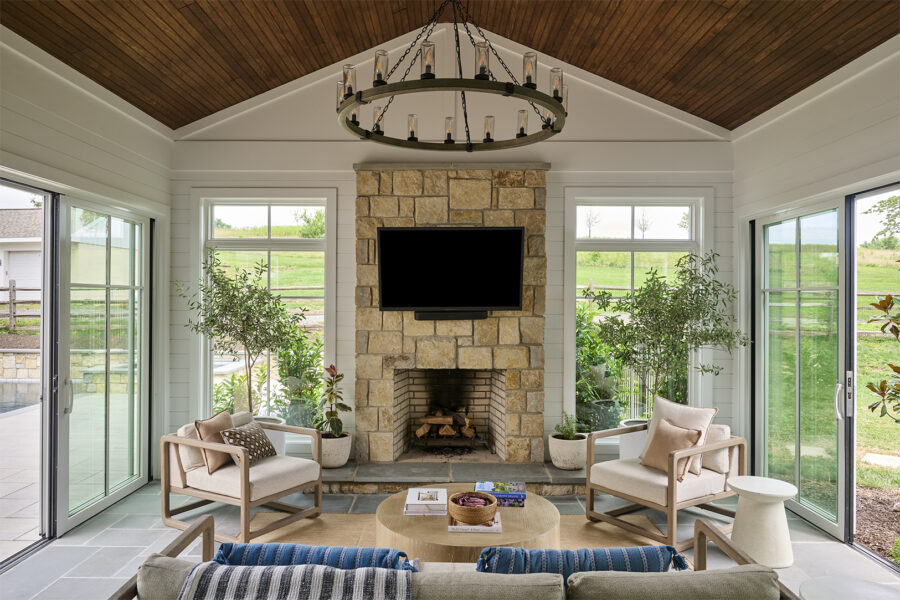
One of the most interesting things I’ve observed over the years is the difference between homes belonging to younger families and those belonging to more seasoned homeowners. Generally speaking, younger homeowners simply haven’t had as much time to accumulate things. And that’s perfectly okay.
A young couple purchasing their first home might not have an extensive art collection, inherited furniture, or shelves full of meaningful objects. But give them time. There will be trips, celebrations, children, milestones, and experiences.
They’ll discover artists they love. They’ll inherit family pieces. They’ll find treasures in unexpected places. Their homes will become richer as their lives become richer. I often encourage younger clients not to feel pressured to manufacture that sense of history.
You can’t rush a lifetime of memories. And you shouldn’t try.
On the other hand, some of our more established clients come to us with incredible collections accumulated over decades. The challenge isn’t finding more things to fill their home. It’s thoughtfully incorporating what they already own into a new design. Both approaches can result in beautiful interiors. The common thread is authenticity.
6. Sometimes a Home Needs a Second Chapter
I’ll share a real example from one of our projects.
We were working with a client who was building a new home and had a very clear vision: she wanted virtually everything to be white and beige.
No color.
We gently encouraged her to consider incorporating a little more personality and variation into the design, but she was committed to the neutral palette. And we respected that. When the home was complete, however, she realized something was missing.
Does a house have to have tons of color to feel cozy? Absolutely not. There are tons of neutral homes that are warm, and inviting.
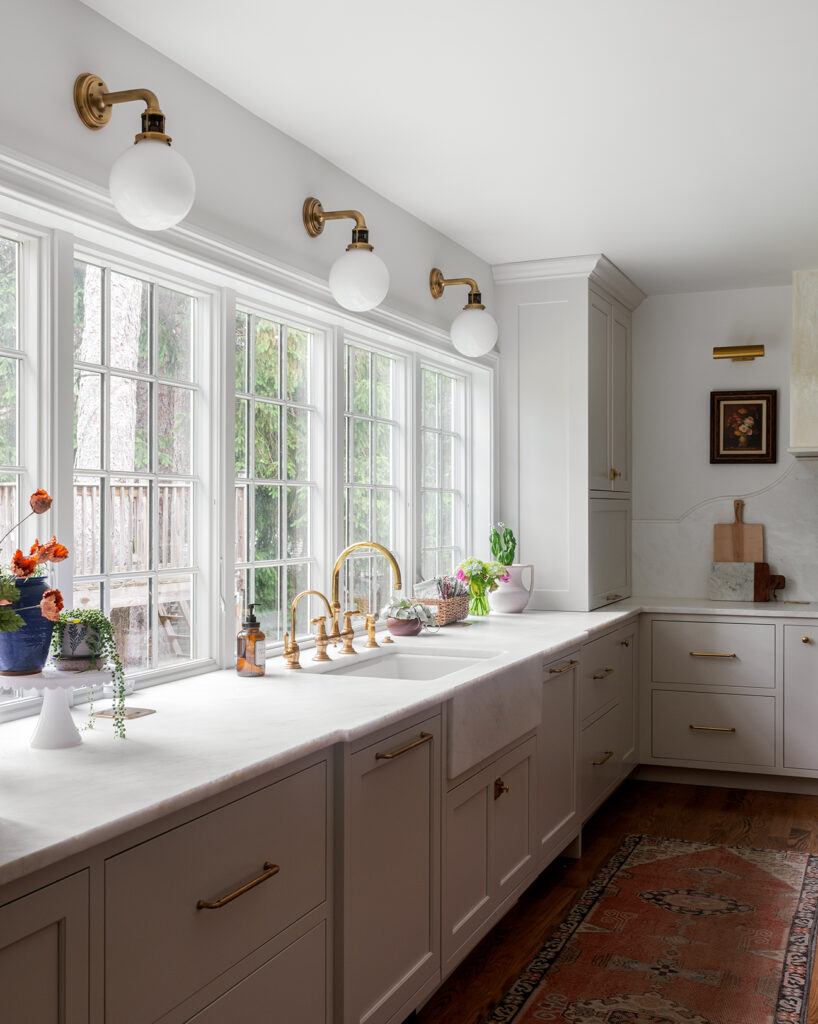
But in this instance, the spaces felt sterile.The house was beautiful, but it didn’t have the warmth and personality she had hoped for. So we began adding layers. Wallpaper brought dimension and interest to the rooms. Window treatments introduced softness and texture. We encouraged the addition of artwork and accessories that would give the home more character. And gradually, the spaces began to feel more personal and inviting.
I love this example because it illustrates something important:
Sometimes you don’t know exactly what your home needs until you’ve lived in it.
That doesn’t mean the original design was a failure. It means that living in a space can reveal opportunities that aren’t always apparent on paper. A home isn’t static. And good design should be flexible enough to evolve.
7. Invest in the Things That Will Serve You for Years
If you’ve been following along with our recent conversations about interior design, you know that I believe very strongly in investing where it matters. Not necessarily in the most expensive things. In the right things.
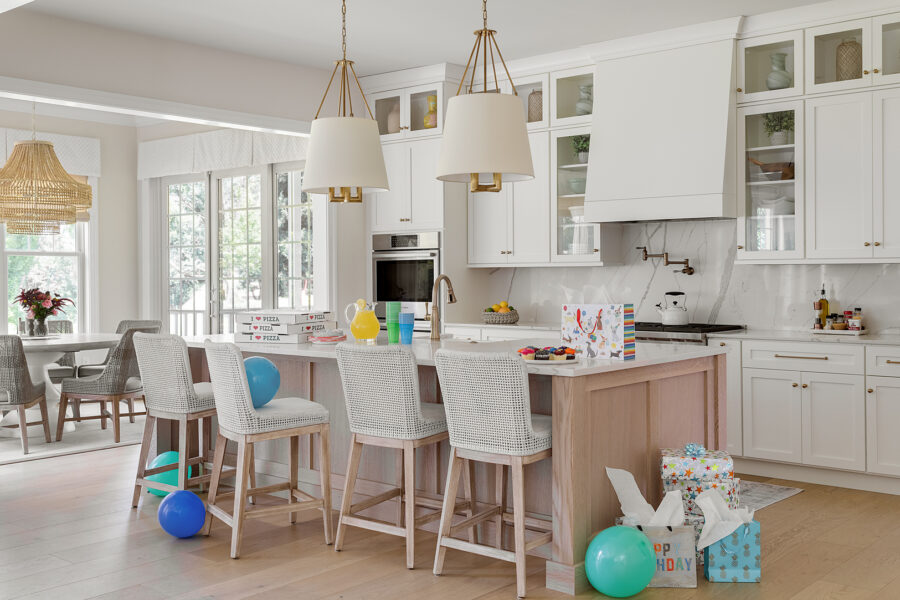
A beautifully made sofa that can withstand years of family life. A dining table that becomes the setting for countless holidays and celebrations. Thoughtfully planned storage that makes the morning routine easier. Window treatments that provide privacy, control light, and make a bedroom more comfortable.
These are the investments that create a foundation for everyday living.
I was reminded of this during a recent visit to the Sub-Zero, Wolf, and Cove headquarters in Madison, Wisconsin. I have specified these appliances for decades, but learning more about the engineering, innovation, and thoughtful details behind them reinforced why I value quality so highly. And after all these years, it is still family-owned and operated, and made and manufactured in the USA. That kind of heritage means something. When something is used every single day, performance and longevity matter.
The same philosophy applies to the rest of your home. Invest thoughtfully in the pieces and systems that will work hard for you. And give yourself permission to take your time with the rest. Because a beautifully designed home isn’t about having the most things. It’s about having the right things.
The Best Homes Are Never Really Finished
Here’s what I hope you’ll take away from all of this. You don’t need to rush to fill every space in your home. You don’t need to replace something you love simply because it isn’t new. And you certainly don’t need to chase every design trend to create a home that feels current.
Start with a thoughtful foundation, invest in quality, and choose things that genuinely speak to you. Allow your home to evolve alongside your life.
At Liz Walton Home, we believe the most beautiful interiors are those that balance exceptional design with the personality, history, and everyday experiences of the people who live there. Our job is to create the foundation for that life to unfold beautifully. And perhaps the greatest compliment we can receive isn’t that a home looks perfectly finished on installation day. It’s that years later, it feels even more beautiful, more comfortable, and more personal than the day we left.
Because the best homes aren’t designed for a photograph. They’re designed for a lifetime.


