

Liz Walton Home
interior
DEsign
est.
2008
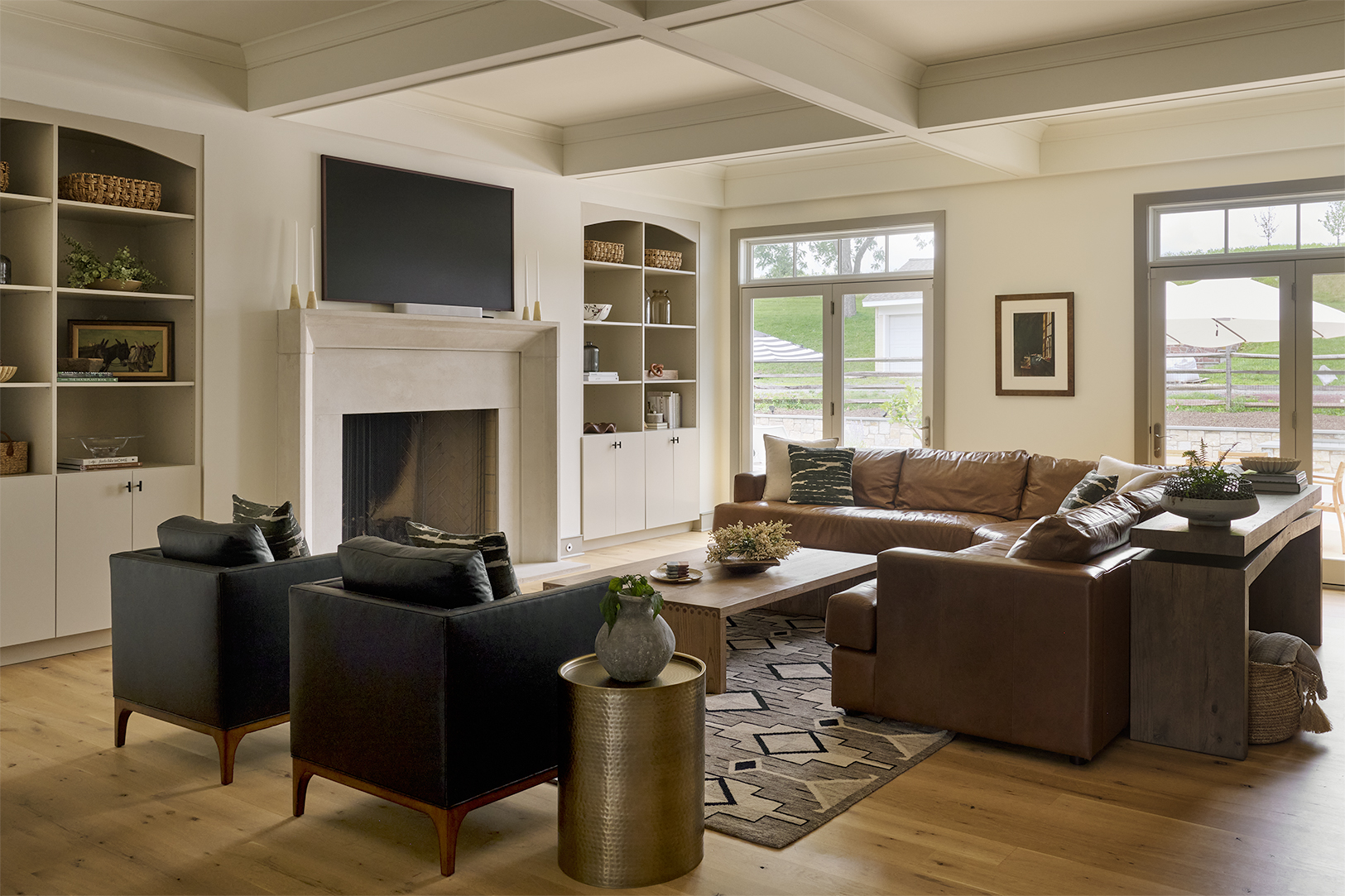
What Makes a House Easy to Live In?
The ultimate luxury isn’t a perfect house. It’s a house that makes everyday life easier.
When we talk about designing a beautiful home, it’s easy to focus on the things we can see: the kitchen, the stone, the lighting, the furniture, the art.
But some of the most important decisions we make as designers are the ones you may never notice in a photograph.
Where do you put down the groceries when you walk in the door? Where do the kids drop their backpacks? Where does the dog eat? Where do you charge your phone? Where does the vacuum live? Can you turn off the lights downstairs without walking through six different rooms?
These seem like small things. Live with them every single day, though, and suddenly they’re not so small. To me, the ultimate luxury isn’t having a perfect house. It’s having a house that makes your life easier.
And that starts long before we choose the pretty things.
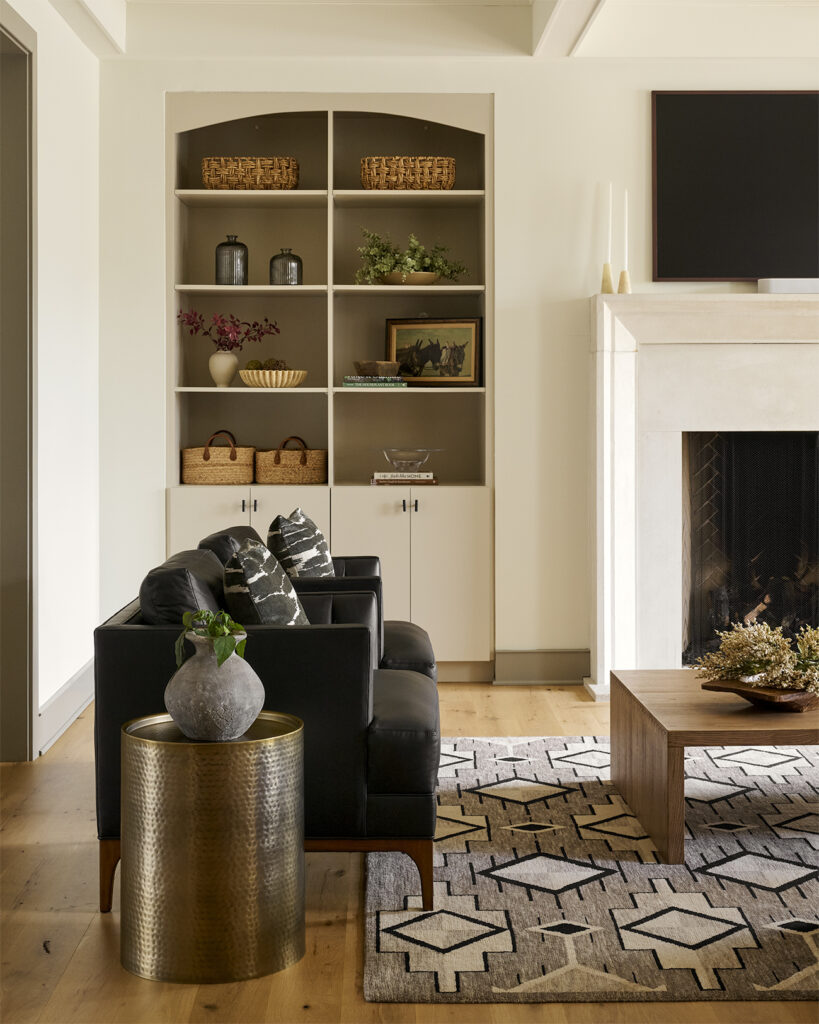
Start With How the House Feels
Let’s start with something decidedly unglamorous: insulation.
Have you ever stayed in a house where you could hear absolutely everything happening in the room next door? Where one bedroom is freezing while another is hot? Or where someone closes a door upstairs and it feels like the entire house shakes?
That’s not something a beautiful sofa is going to fix.
When we’re building or undertaking a major renovation, I want to think about comfort from the inside out. Proper insulation doesn’t just help with temperature control and energy efficiency; insulation strategies can also play an important role in controlling sound between spaces.
Think beyond exterior walls, too. Bedrooms, bathrooms, laundry rooms, mechanical spaces, media rooms and home offices are all places where controlling sound can dramatically change the experience of living in a home.
You may never see the money you put behind those walls. But you will experience the benefit of it every single day.
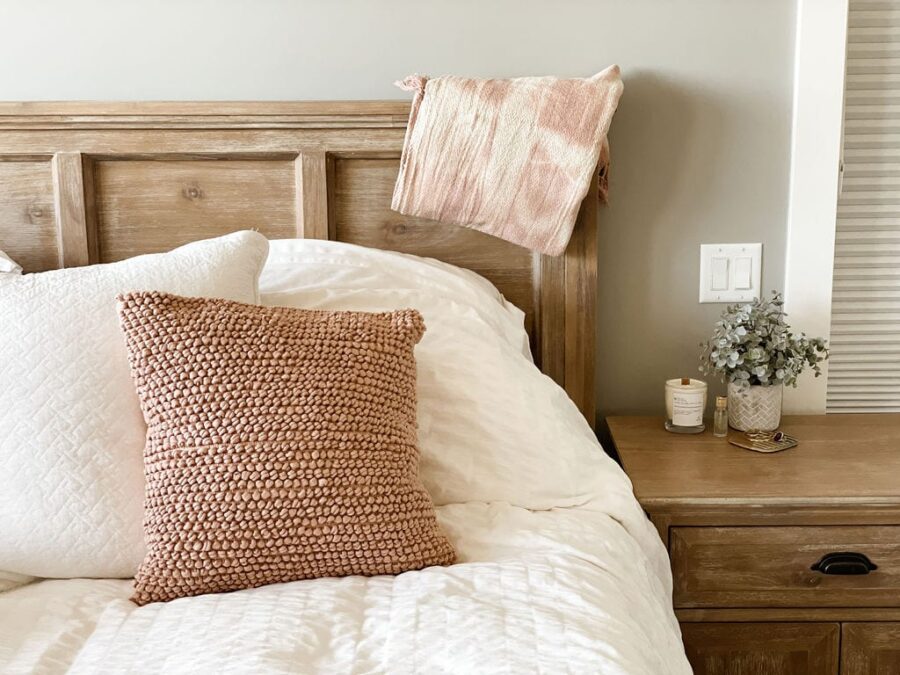
You Shouldn’t Have to Hunt for a Light Switch
One of the complaints I hear surprisingly often from homeowners is:
“I can never find the right light switch.”
You walk into a room. There are five switches on the wall. You flip one. Nothing. Another. Still nothing. The third turns on a light somewhere behind you.
That’s a design problem.
Electrical planning deserves far more attention than it typically gets. Before finalizing an electrical plan, we think through how someone will actually move through the house.
Where do you naturally reach when you enter a room? Which lights should be controlled together? Do you need to control a hallway or staircase from both ends? Where do you want to turn everything off at night?
And then there are outlets.
Furniture placement should inform electrical placement—not the other way around. Think about bedside tables, floor lamps, desks, kitchen appliances, holiday decorations, cordless vacuums, hair tools and all of the devices your family charges every day.
The goal isn’t more switches and outlets. It’s putting the right ones in the right places.
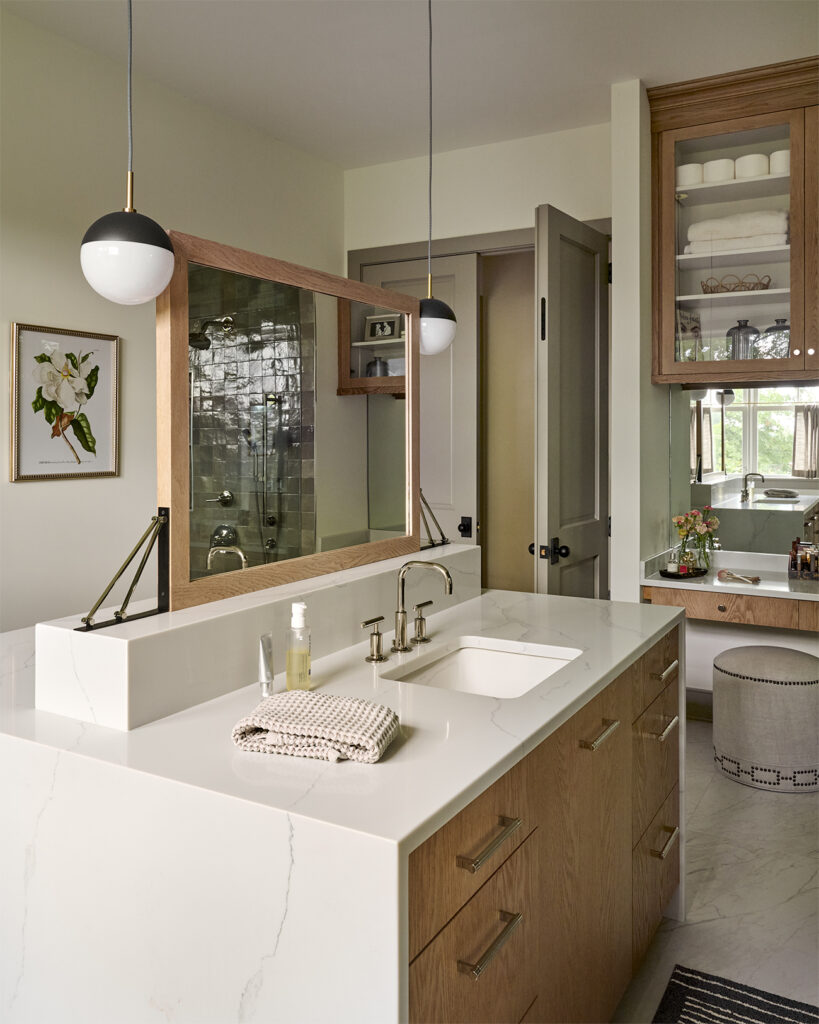
Technology Should Make Your Life Easier—Otherwise, I Don’t Want It
I am not someone who wants technology in a house simply because we can have it.
If anything, unnecessary technology can make a home more complicated.
But when technology removes steps from your day? I’m interested.
Lighting control is a perfect example. Systems such as Lutron can allow thoughtfully planned groups of lights to work together, create useful lighting scenes and give you centralized control rather than requiring you to walk around turning individual lights on and off.
Think about how you move through the house. Can you illuminate the path from the bedroom to the kitchen early in the morning without turning on every recessed light along the way? Can you make the kitchen functional at night without making it feel like an operating room?
Imagine leaving the house and having one control that turns off the appropriate lights rather than wondering what someone left on upstairs.
Or pressing one button at night and transitioning the main living spaces into a softer evening setting. Speakers seamlessly integrated into your walls for the ultimate listening experience (sports never sounded so good!).
That’s technology I can get behind.
The important part is that the technology supports the way you live. It shouldn’t become another thing you have to figure out.
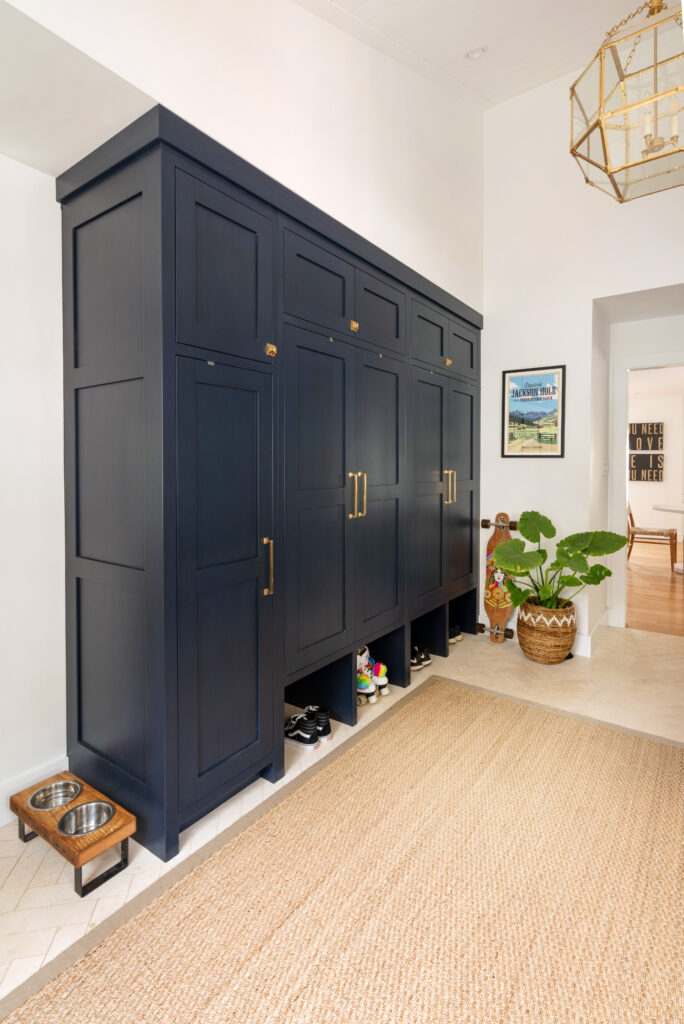
Open Storage Isn’t Always Easier
Mudrooms are a great example of something that can look fantastic on a drawing and function very differently in real life.
Open cubbies! Hooks! Shelves! A spot for everything!
Until everyone comes home.
Now there are five pairs of shoes on the floor, backpacks hanging half-open, sports equipment sticking out of baskets and coats piled on top of one another.
Open storage can be wonderfully convenient, but it also means you’re looking at everything—all the time.
For many of our clients, closed storage actually makes life easier.
Give the backpacks a cabinet. Give the shoes a drawer. Give sports equipment a home. Give the dog supplies their own spot.
You can still incorporate an accessible hook or landing area for the things you use constantly, but the goal is to make tidying up almost effortless.
A beautiful mudroom that requires everyone to style their belongings every time they walk through the door isn’t particularly functional.
If you’re building a new home or undertaking a major renovation, this is your opportunity to stop solving the same storage problems you’ve had for years.
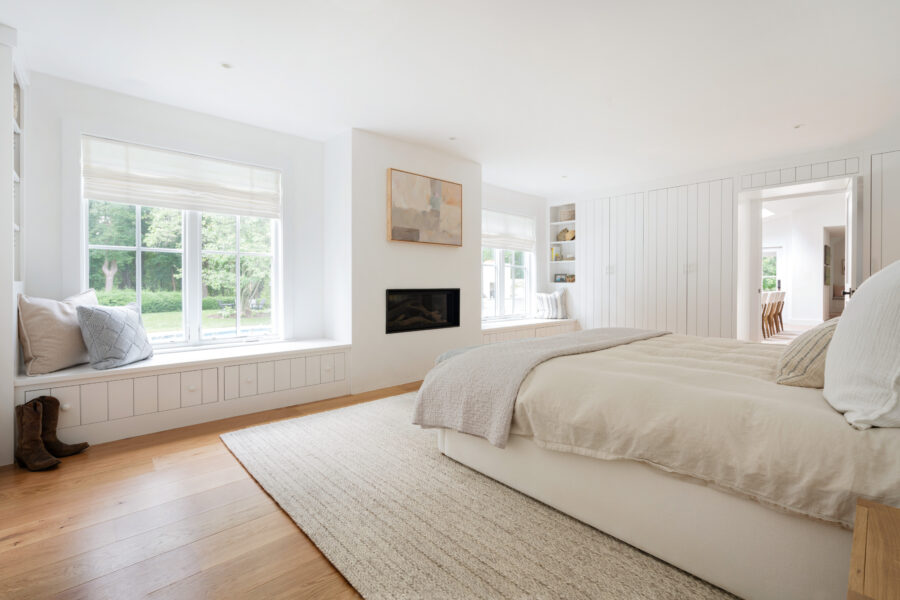
A Bedroom Should Help You Sleep
This one is huge for me: room-darkening window treatments in bedrooms.
It’s something we’re asked for on nearly every project—and for good reason.
Yes, custom window treatments are an investment. But so is sleeping well.
And if you have a baby or toddler who isn’t sleeping because their room is filled with daylight at 5:30 in the morning—or at 7:30 at night in the summer—the whole house feels it.
When we’re designing bedrooms, we think about the window treatments as part of the function of the room, not simply decoration. That can mean incorporating room-darkening lining into drapery or shades, considering light gaps and coverage, and planning the treatment early enough that it feels integrated into the architecture rather than added as an afterthought.
This is also one of those places where beauty and practicality don’t have to compete. A bedroom can have beautiful fabric, gorgeous hardware and thoughtfully designed window treatments while still doing the very important job of controlling light.
Because a bedroom’s primary purpose isn’t to photograph beautifully.
It’s to help you rest.
And anything that consistently makes it easier for everyone in the house to get a good night’s sleep earns its place in my definition of luxury.
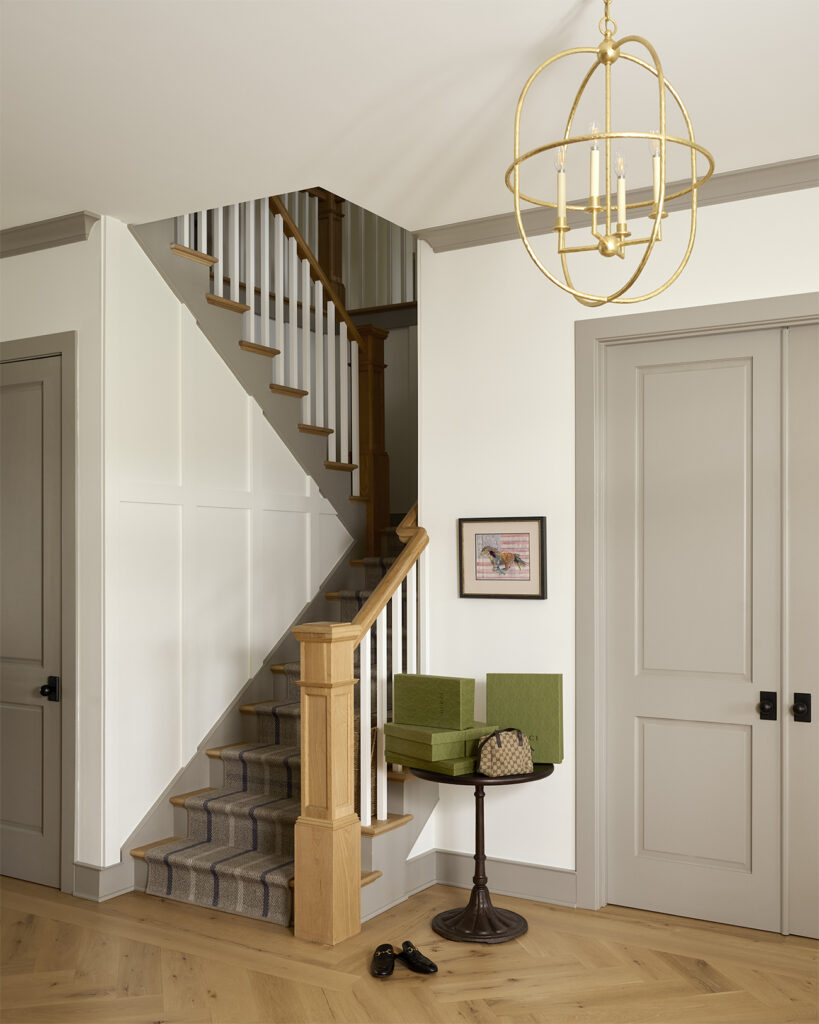
Design for the Ordinary Tuesday
When we’re designing a home, of course we’re thinking about Thanksgiving dinner, holiday parties and overnight guests.
But I’m equally interested in a random Tuesday in February.
Someone walks in carrying groceries. A child drops a backpack.The dog comes in with muddy paws. Someone needs to charge an iPad. Dinner needs to be made. Laundry is running. Someone else is trying to work.
And at the end of the night, everyone wants to turn off the lights and go to bed.
That’s the life we’re designing for.
The beautiful materials, custom furnishings and special details absolutely matter. They’re what give a home character and make it feel personal.
But underneath all of that needs to be a house that works.
Because when everything has a place, the lighting works intuitively, the house feels comfortable and the technology quietly does what it’s supposed to do, you stop thinking about the house quite so much.
You simply get to live in it.
And to me, that’s luxury.


