

Liz Walton Home
interior
DEsign
est.
2008
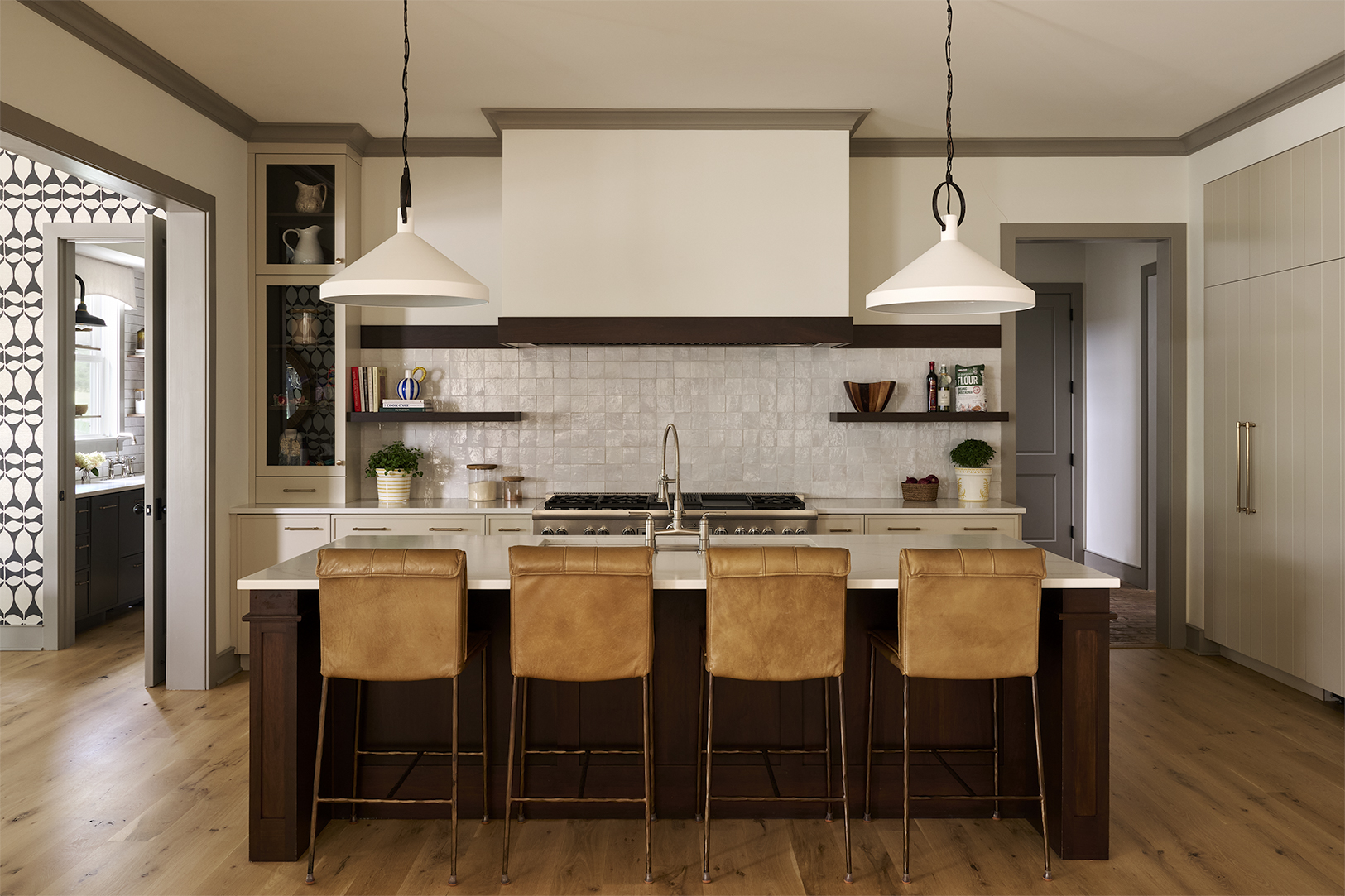
5 Things I Would Never Spend a Lot of Money on in a House as an Interior Designer
As an interior designer, I spend my days helping clients decide where to invest in their homes. And when you work in luxury interior design, there is a common misconception that creating a beautiful home means everything in it needs to be expensive.
It doesn’t.
In fact, there are several things I personally would never spend a significant amount of money on in my own home.
But before we get into that, I need to make one thing very clear:
I am not a bargain shopper when it comes to design.
If something is important to the overall vision of a room, I will spend the money. If the right rug, sofa, stone, piece of art, or custom detail is expensive, but it is what makes the room work, I believe it is worth the investment.
What I will not do is buy something I don’t really love simply to finish a room.
I would rather have an empty wall, an unfinished corner, or a missing piece of furniture for a year than buy something I know isn’t right just because I can have it now.
There is a difference between saving money and settling.
I am perfectly happy to do the first. I refuse to do the second.
That distinction is at the heart of how we approach luxury interior design at Liz Walton Home. A beautiful home isn’t created by spending the maximum amount possible on every single item. It’s created by understanding which elements deserve the investment and which simply need to play their part beautifully.
So, where would I save?
1. Picture Frames
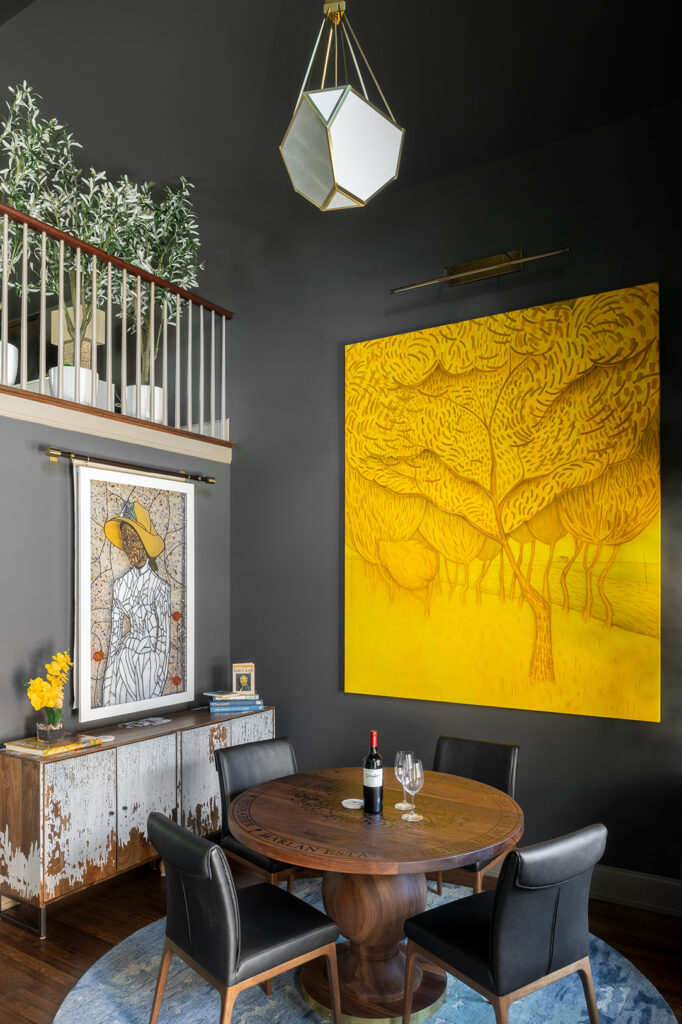
I love beautiful art. I do not believe every piece of art needs an extraordinarily expensive frame.
In fact, I often prefer antique and vintage frames.
An old frame brings something to a room that a brand-new, perfectly polished frame sometimes can’t: character. A little patina, an unusual profile, worn gilding, or evidence of age can make even a simple piece of art feel more collected.
And “collected” is an important word.
The most interesting homes rarely look as though every object arrived on the same delivery truck. They evolve. They contain things from different periods and places. They tell you something about the people who live there.
Antique frames are wonderful for creating that feeling without requiring a significant investment.
This is also one of my favorite ways to elevate children’s artwork, old family photographs, small paintings, sketches, or other pieces that have sentimental meaning. Sometimes the juxtaposition of something humble inside a beautiful old frame is far more interesting than an expensive new frame made specifically for it.
2. Accessories
Accessories are another area where I don’t believe you need to spend a fortune to create a beautiful home.
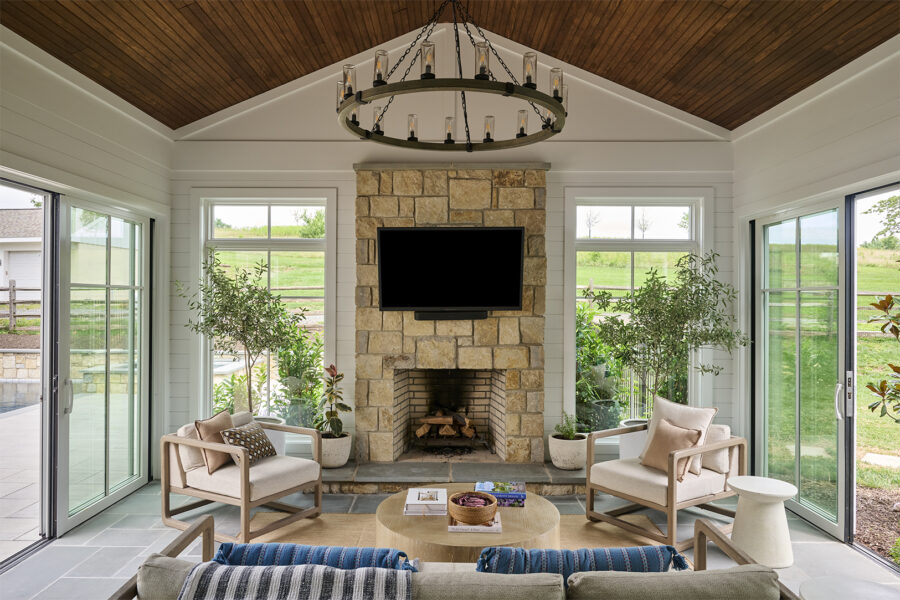
Books, bowls, boxes, trays, candlesticks, pottery, small sculptures and found objects can come from almost anywhere. There are wonderful resources for interesting accessories at nearly every price point.
More importantly, some of the best accessories aren’t purchased at all.
I love incorporating family treasures into our projects. A collection inherited from a grandparent, something brought home from a favorite trip, an old silver piece, a stack of books someone actually reads, or an object that has been sitting in a family cabinet for years can give a room far more personality than an expensive accessory purchased simply to fill a shelf.
This is where luxury and personality intersect.
A home should not look accessorized. It should look lived in.
The goal isn’t to fill every surface. The goal is to layer in objects that add texture, history, color, scale, or meaning.
If we find a $75 object that does exactly that, I have no desire to replace it with a $750 version simply because it costs more.
3. Lamps That Cost Thousands Just Because They Can
This one needs a caveat because, as with everything in design, context matters.
I love lamps. Lighting is incredibly important to the way a room feels, and I will absolutely invest in beautiful lighting when it is integral to the design.
But do I believe every table lamp needs to cost several thousand dollars?
No.
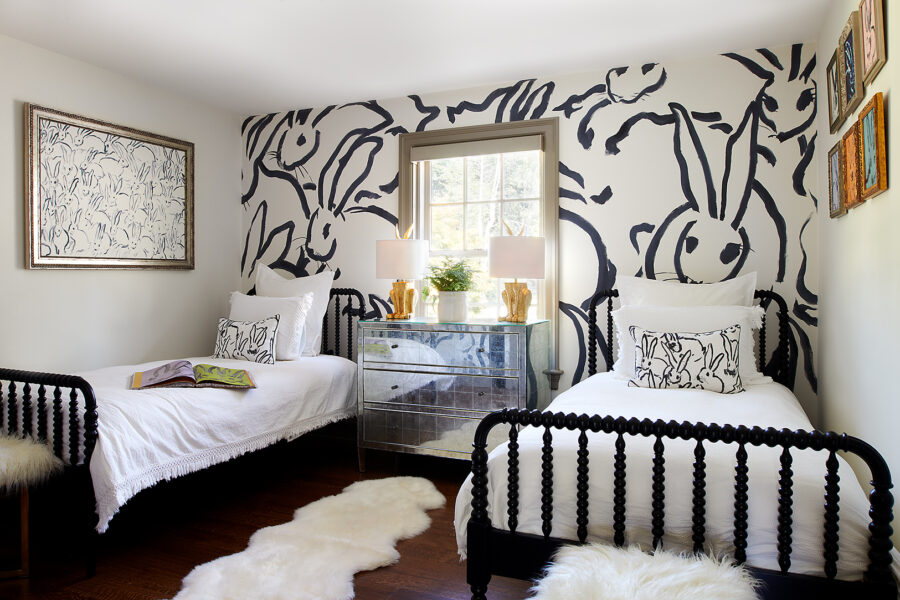
There are excellent lamps in the $500 to $700 range, and sometimes less, that can beautifully complete a room.
The important question isn’t, How expensive is this lamp?
It is, What does this lamp need to accomplish?
Does it provide the right height? The right scale? Does the shade cast beautiful light? Does the material balance the other finishes in the room? Does the silhouette add something we need?
Every item in a well-designed room is part of a larger composition.
If a $600 lamp fills the exact visual and functional gap we need, it is the right lamp. I don’t need it to cost $3,000 to make the room feel luxurious.
And if the $3,000 lamp is truly extraordinary and happens to be the piece that makes the room? Well, you already know my philosophy.
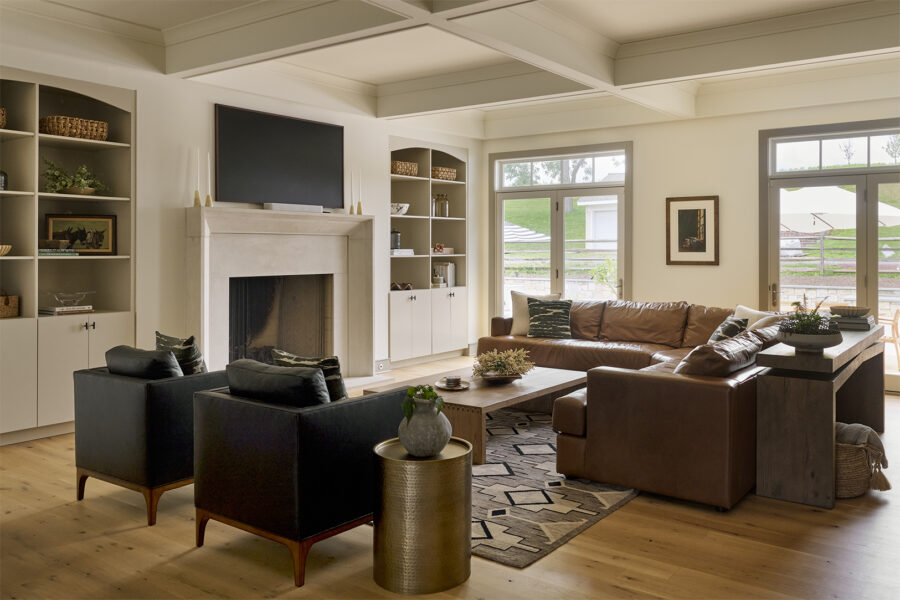
4. Unnecessary Smart-Home Technology
This may be an unpopular opinion, but I am a fairly low-tech person.
And when it comes to my home, I actually prefer it that way.
I don’t need everything in my house connected to my phone. I don’t need an app for every appliance. And I don’t need every function automated simply because it can be automated.
There are certainly technologies that meaningfully improve the way a home functions, particularly when they simplify lighting, security, temperature control, audio, or other systems that matter to a homeowner.
But technology should solve a problem, not create another layer of complexity.
I tend to favor things that are intuitive, tactile and easy to use. A beautiful switch. A lamp you simply turn on. A shade you can operate without searching for your phone. An appliance that does its job exceptionally well without requiring a software update.
There is also something very aligned with our design philosophy in that simplicity.
At Liz Walton Home, we design homes to feel timeless, comfortable and effortless. Technology changes incredibly quickly. A beautifully detailed room, quality cabinetry, natural stone, well-made furniture and original art can endure for decades.
Technology often cannot.
I would much rather invest in the elements that make a home feel wonderful every single day than spend heavily incorporating technology simply for the novelty of having it.
Sometimes luxury is actually less complication, not more.
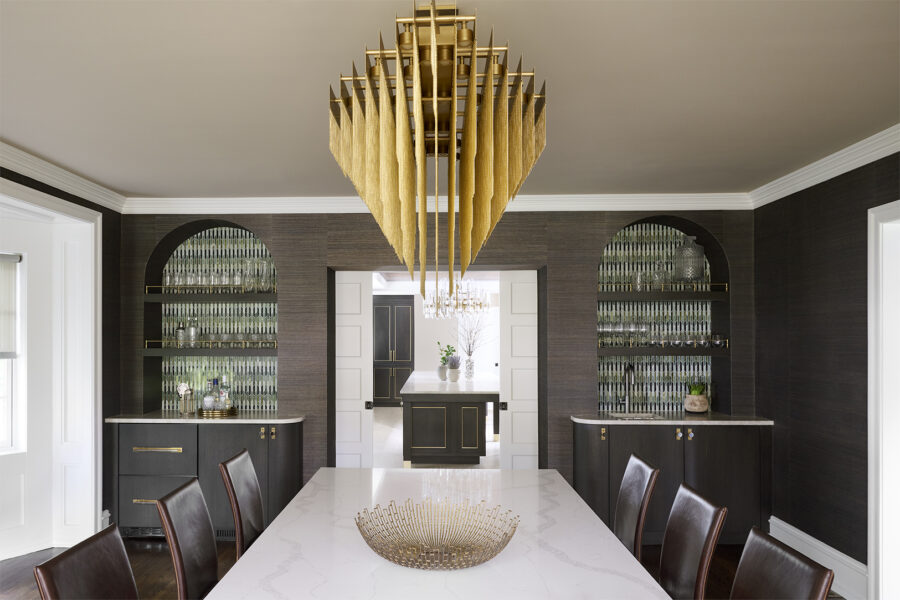
5. A Designer Name Just for the Name
I love beautiful things. I love craftsmanship. I love heritage brands, artisan-made pieces and objects with exceptional provenance.
But I will not spend more on something simply because of the name attached to it.
There is an important distinction.
If a designer piece has extraordinary craftsmanship, proportion, material, history or artistry that makes it perfect for the room, that’s different. Those are qualities worth paying for.
But the label itself isn’t what makes something beautiful.
The same applies to trends. I don’t believe in spending significant amounts of money on something because it happens to be the “it” piece everyone is using right now.
Our work is far more personal than that.
I want to walk into a client’s home and immediately feel them, not recognize a catalog of the most expensive things currently circulating on social media.
True luxury isn’t about proving what you spent.
It is about discernment.
Where Should You Spend Your Interior Design Budget?
This is the question I think matters more.
When deciding where to save and where to splurge in interior design, I prioritize the pieces that have the greatest impact on the way a home looks, feels and functions.
Permanent architectural materials deserve careful consideration. Cabinetry, countertops, tile, millwork and flooring are expensive and disruptive to replace. Quality matters.
I believe in investing in important furniture pieces that need to perform for years. I believe in beautiful rugs and textiles when they transform a room. And increasingly, I believe deeply in investing in original art.
But even those decisions aren’t governed by a formula.
The investment has to serve the vision.
That’s the difference between simply buying expensive things and designing a luxury home.
The Best Luxury Homes Aren’t Defined by a Price Tag
Some of my favorite rooms combine custom furniture with antiques, original art with family treasures, exquisite textiles with an accessory we found for next to nothing.
That tension is what makes a home interesting.
If everything is precious, nothing feels particularly special.
I don’t believe your home needs to announce how much money you spent on it. I believe it should reveal who you are.
And that requires knowing when to invest, when to save, when to repurpose something you already own, and perhaps most importantly, when to wait.
I tell clients all the time that we are creating their home, not simply completing a shopping list.
There is no prize for finishing a room quickly.
If the right piece isn’t available yet, wait.
If the piece you truly love isn’t in the budget yet, wait.
If you are considering buying something you don’t really like because you’re tired of looking at the empty space, please wait.
I’d rather live with less and love what I eventually bring into my home than spend money twice because I settled the first time.
That, to me, is one of the greatest luxuries of all: having the confidence to wait for what is right.


